Showing posts with label book reflections. Show all posts

Wednesday, February 03, 2021

Book recommendations from year 2020

Year 2020 is the year of the books for me. I read voraciously because I can't go to malls and I'm 'stuck' at home most of the time. But I'm secretly happy because that's exactly what I want to do most of the time - just blanket myself up, put a book on my lap, a pillow behind my back and read myself to sleep.


I read a total of 59 books, way exceeding my target of 52 books a year. I know, I have no life. Since I have the time, I also wrote down short summaries for all the books read. There are some worthy books have a much lengthier summary for my own records and learning purpose. 


In descending order of books read, here's the list:


59) The psychology of money - Morgan Housel

58) The almanack of Naval Ravikant

57) Network Effect - Martha Wells

56) Home: Habitat, Range, Niche, Territory - Martha Wells

55) Exit strategy - Martha Wells

54) Rogue Protocol - Martha Wells

53) Artificial condition - Martha Wells

52) All systems red - Martha Wells

51) Manners begin at breakfast - Marie Chantal

50) Kappa quartet - Daryl Yam

49) X-men: days of future past - Alex Irvine

48) Lee Kuan Yew - Graham Allison/Robert D. Blackwell/Ali Wyne

47) Memoirs of an infantry officer - Siegfried Sassoon

46) Trollhunters - Guillermo Del Toro / Daniel Kraus

45) Too much and never enough - Mary L. Trump

44) Hidden girl - Ken Liu

43) The wandering Earth - Liu Cixin

42) Supernova Era - Liu Cixin

41) The weight of memories - Liu Cixin

40) Of ants and dinosaurs - Liu Cixin

39) Die with Zero - Bill Perkins

38) Beacon 23 - Hugh Howey

37) Hard choices - Sudhir Thomas Vadaketh

36) Ultralearning - Scott Young

35) Opposite of Always - Justin A. Reynolds

34) Hard at work - Gerad Sasges

33) Tripping over the truth - Travis Christofferson

32) Goodbye, Things - Fumio Sasaki

31) Waste tide - Chen Qiufan

30) Currency war - James Rickards 

29) Funny, You Don't Look Autistic - Michael McCreary

28) Things my son needs to know about the world - Fredrik Backman

27) How to forge a frogman - Max West

26) Islands of Genius - Darold A. Treffert

25) The collected stories - R.A Salvatore

24) Tattooist of Auschwitz - Heather Morris

23) Boundless - R.A. Salvatore

22) The new "hidden hand" thread - compiled by Wes Penre

21) How to stop time - Matt Haig

20) Money wisdom - Christopher Tan

19) Maybe you should talk to someone - Lori Gottlieb

18) Maid - Stephanie Land

17) Art of simple living - Shunmyo Masuno

16) Wes Penre papers - 1st level of learning - Wes Penre

15) The man who solved the market - How Jim Simons launched the quant revolution - Gregory Zuckerman

14) Children of the Resistance series - Dugomier/Benoît Ers

13) Invisible planets - Ken Liu

12) Goh Keng Swee: A portrait - Tan Siok Sun

11) Don't fall for it - Ben Carlson

10) Win Bigly - Scott Adams

9) Can't hurt me - David Goggins

8) It's easy to cry - Subhas Anandan

7) The best I could - Subhas Anandan

6) Impractical uses of cake - Yeoh Jo-Ann

5) Loserthink - Scott Adams

4) The new case for Gold - James Rickards

3) Homerooms and Hallpasses - Tom O'Donnell

2) French kids eat everything - Karen Le Billon

1) Fundamentals of piano - Chaun C. Chang


As usual, I'll list down the non-fiction books that I think are great. You decide if you want to follow them up. Most of the books can be borrowed through e-book format from the great NLB accompaniment app Libby (not the NLB's official app).


1. Can't hurt me - David Goggins


This book is about channelling the shit that is happening in your life: all the anger, the injustice and the unfairness, and then funnel them into a motivating force to get better. This helped the author, at least for a while, but later he realised that channelling all the rage isn't going to work anymore. Hence he seeks a sort of contented peace towards the end of the book. The author's extraordinary life in which he overcomes all the obstacles is very inspiring. In the book, you'll see the major events that shaped his life, followed by lessons in which you can do to challenge yourself. Highly inspiring and teaches you how to suffer well. But who exactly is the author? He is the crazy dude who does pullups to break the Guinness record until his skin peels off but continues doing anyway. Or runs ultra-marathons once a week, something like that. 


2. Money wisdom - Christopher Tan


A collection of articles written by the chief of Providend, a fee-only financial advisory firm. I think the book talks about all aspects of personal finance, including insurance and investment. I learnt quite a few things reading it, to the extent that I went ahead to close the gap of long term care in my insurance portfolio by upgrading my Eldershield plan. Makes me want to really go and visit them, pay them a fee and see if I get my financial shits right before it's too late. Highly recommended. 


3. Ultralearning - Scott Young 


I can't stop recommending this enough. If I have to choose the one book to read in Year 2020, this will be the one. This book teaches you how to learn anything. It's the ultimate meta book on learning how to learn. This is one of the worthy books that I mentioned earlier and I made detailed notes in the link here. I expect that I'll be revisiting this book again and again whenever I need some tips and tricks to get through any learning obstacles in the future. 


4. Die with Zero - Bill Perkins


Another worthy book. This book changes my viewpoint on having a poor person's mentality to something more balanced. It's about not leaving excess behind and spending all that you want. I know I know how this sounds like. Doesn't seem fitting for someone on the journey to financial freedom right? But I promise it does make a certain sense. Not suitable for those who are spendthrifts in personality. Very very suitable for hardcore savers looking for another viewpoint towards frugality. Good quality of life, not necessarily materialistically speaking, is what the author is trying to convince us to do. And he convinces me.


5. The psychology of money - Morgan Housel


This book deserves a second or even a third reading. The author is a very good writer and it makes the lessons inside all the easier to assimilate. Each lesson starts off with a story (or two), so it is easier to relate to. Of the many lessons inside, a few stand out to me. The best lesson I've got out of this is that everyone is reasonable. It might not be for you, but it is for them at that point in time, so respect that. The second thing I got out of this is that we don't have to aim for the highest return, just reasonable will do. It'll be easier to sleep at night. Great book.


I read lots of fiction books. For those who don't know my story, I do not read fiction at all for many years. In fact, from after primary school until adulthood because I thought they are just stories. How silly. Non-fiction books teach one about life's reality and fiction books teach one about how to be a human. Both equally important.


For fiction books, I read a lot of books by one of China's sci-fi greats - Liu Cixin. Anything by him is generally good. Of the books written by him, Supernova Era, highly disturbs me. It's a chilling tale about how a supernova from light-years away gave off deadly radiation that killed off all adults on earth. The world is then governed by children. Will that kind of world be a world full of wonders and full of child-like innocence? In short, no. And it's a disturbingly strong no. 


Supernova era by Liu Cixin


Murderbot Diaries by Martha Wells

Then when I was in the library, I chanced across a series of 6 books by Martha Wells named Murderbot Diaries. Oh My Goodness, it was so good. The Murderbot Diaries is written in the perspective of a part organic part inorganic security droid that called itself Murderbot. It hacked itself so that it doesn't have to follow the orders, and yet it cared way too much for the human clients that had hired it. The characterization of this part machine part human being is so good that it makes me want to read on and on and see what it is going to do. This has the potential to be a hit series in Netflix original production and I'm so glad to have chanced upon it. Serendipity. 


2020 is also the year that I started listening seriously to audio books and podcast. At first, it's a little strange, because I find that reading is faster and easier to absorb. But it's all a matter of getting used to this. Eventually it's quite good because I get to listen together with my wife, and possibly lead us to discuss related topics. Shared experiences are good, especially since reading is such a private experience. I expect myself to do more of this in year 2021.


Alright, that's all from me for now. Let me know if you have any good books to recommend me. Also let me know if you had read the books that I've listed here and agree with me that they are fantastic read. Live long and prosper.

Monday, December 30, 2019

2019 list of books read

I managed to read 52 books this year despite a heavier than usual work schedule. What did I sacrifice to read more? Nothing that I would have missed anyway. Instead of logging on to social media apps (I deleted them), and reading short news articles from websites, I just used my handphone to read ebooks. My reading habits had changed a little since I had a kid because I couldn't sit down and read for extended hours, so a handphone with an ebook reading app would be more than sufficient to occupy those waiting times that pop up every now and then.


Of the 52 books, 19 of them are fiction - that's about 36%. Some people don't read fiction at all, which is like me in the past. I'm quite a late adopter of fiction. These days, I can't tell for sure which is fiction and which isn't, frankly. The 19 fictional books that I said earlier in this paragraph, I had to do some interpretation myself.

Here's the list of the books I've read:

52) The end of absence - Michael Harris
51) Surrounded by Idiots - Thomas Erikson
50) Everything is F*cked - Mark Manson
49) The Rosie result - Graeme Simsion
48) The Redemption of Time - Baoshu
47) Permanent Record - Edward Snowden
46) Gulp - Mary Roach
45) Montauk Project - Preston B. Nichols / Peter Moon
44) Ball lightning - Liu Cixin
43) Uncle Hitler - Alfred Nestor
42) Efficiency - Wall Street Playboys
41) How to raise successful people - Esther Wojcicki
40) Death's End - Liu Cixin
39) The Dark Forest - Liu Cixin
38) The Three-Body problem - Liu Cixin
37) Educated - Tara Westover
36) Band of brothers - Stephen E Ambrose
35) The whole-brain child - Daniel J. Siegel
34) Miniatures - John Scalzi
33) Total recall - Arnold Schwarzenegger
32) The paper menagerie and other stories - Ken Liu
31) Norse Mythology - Neil Gaiman
30) The Compound Effect - Darren Hardy
29) Broken Stars - Ken Liu
28) The great cholesterol myth - Jonny Bowden
27) Lies my doctor told me - Ken D. Berry
26) Ms Bixby's last day - John David Anderson
25) Zen and the art of motorcycle maintenance - Robert M. Pirsig
24) Thinking in Bets - Annie Duke
23) HIIT explained - James Driver
22) Solitude - Michael Harris
21) American Gods - Neil Gaiman
20) Leaders eat last - Simon Sinek
19) The Time paradox - Philip Zimbardo / John Boyd
18) The Fifth Risk - Michael Lewis
17) The hour between dog and wolf - John Coates
16) Hero - R.A. Salvatore
15) Crash course - Kim Bearden
14) The Singapore Blue Chips - Nandini Vijayaraghavan & Umesh Desai
13) Little soldiers - Lenora Chu
12) Flatland - Edwin. A. Abbott
11) The Pianist - Wladyslaw Szpilman
10) Keep calm and mother on - Pauline Loh
9) Archmage - R.A. Salvatore
8) How to write a sentence - Stanley Fish
7) The smartest kids in the world - Amanda Ripley
6) Laws of Human Nature - Robert Greene
5) Maths learning difficulties, Dyslexia and Dyscalculia - Steve Chinn
4) Head on - John Scalzi
3) Shoe Dog - Phil Knight
2) Neither Civil nor Servant - Peh Shing Huei
1) Vengeance of the Iron Dwarf - R.A. Salvatore


I'll try to shorten the huge list into just 5 books that I would recommend to people who are following my book list.


1. Neither Civil Nor Servant - Peh Shing Huei


This is a book about Philip Yeo, one of the important people who built up Singapore as we know today. He was in various portfolio, including the set up known as ST engineering today, EDB, SPRING, ASTAR etc. He is an engineer, first of all, and someone who can be relied on to solve problems, even if it means breaking a few rules and knocking a few heads on the way there! It is a thoroughly joyful read if only to see how much problems Singapore is saddled with in those important years after independence and trying too hard to survive. I don't know why, but as I get older, I wanted to find out more about this home that I've been living for so many years. I will read this along with Goh Chok Tong's and Lee Kuan Yew's books, just to have a good overall grounding of the history straight from the horses' mouth. Even though he is one of the greats in Singapore who managed to push things through, I think working for him will be a nightmare.

2. Little Soldiers - Lenora Chu


This book is highly recommended by me. It's about how a pair of Chinese parents who migrated to the US, had a daughter who is raised in the US and essentially an American and then going on to have kids who are subsequently back in China again for their education. One complete cycle. It talks about how the education system is like in China, and always in contrast to other nations, specifically in the US. This book is interesting to me because it makes me think about the good and the bad in each system, the straitjacket authoritarian Chinese education system vs the laissez-faire self-directed play to learn style in most Western education system. This book is so interesting that I passed it to my wife to read. And she agrees, which is rare. Personally, I think my style of teaching is more towards China's disciplinarian no-nonsense stuff, while my wife is more towards the Western play-learning style. Between us, hopefully, our kid will get the best of both worlds, haha

3. The Fifth Risk - Michael Lewis


I like all books by Michael Lewis. Okay, to be honest, most books. I don't like his "The New New Things: A Silicon Valley story", but this book is not like that. "The Fifth Risk" talks about the things that we can't imagine that will harm us. Sounds a little like the concept of black swan, isn't it? I think I can divide this book in two parts. The first part being how US president Donald Trump came unexpectedly into a position of power and started, should we say, commercializing the works of different agencies. The heads of these government agencies get replaced by his loyalists, who started upending the good work done by previous officeholders. Maybe 'destroying' is a better word than 'upending'. The second part talks about the weather, and how using big data released for free by the Obama Administration had made prediction less of a random guess. Guess what? It's no longer for free now that the head of the country is changed. Like the other books he wrote, Michael Lewis has a knack of making you interested in things that you are not even remotely interested in the first place.

4. The Time Paradox - Philip Zimbardo and John Boyd


A very insightful book that introduces a new model of thinking for me. We are all familiar with the MBTI test on our personality, but what if our personality is based on time? The authors introduce 6 time perspectives - past positive (focuses on past tradition, values history and cultural inheritance), past negative (focuses on past negative events), present-hedonistic (life of the party, epicurean, love new and fun things), present-fatalistic (believes nothing can change fate), futuristic (sets goals, do month-end accounting, punctual, hates wasting time) and transcendental-future (believes in reincarnation, life after death, karma). The rest of the chapters is about how the different people - pasts, presents and futures - handle different things. I believe financial bloggers are mostly futures, while lifestyle bloggers are mostly present-hedonistic. A lot of messages are preached by the futures for the futures, so for example to prevent teenage pregnancies (the majority are the presents), the advice is to use contraceptives or abstain. The advice works for the future, but they are not the ones needing advice, which is why such campaigns have limited effectiveness. Wow, that really introduces another model to think about things. I highly recommend this book to another who is interested in psychology. By the way, Philip Zimbardo is the researcher behind the infamous Stanford prison experiment, of how our behaviour changes when we just put on a new uniform and change our environment.

5. How To Raise Successful People - Esther Wojcicki


Adopt TRICK principles - Trust, Respect, Independence, Collaboration and Kindness in kids. Each of the chapters in the book talks about the 5 characteristics that successful kids should have, with plenty of examples of how she did it herself. The author had raised several kids who are all very prominent and useful members of their community. I think she is also a good teacher with very strong principles that happened to be spot on after researchers found out years later. Very good read on parenting. If you have kids and is interested in parenting, this is the book to read.


Special mentions

Usually, I don't recommend fiction, because our tastes are seldom the same. But if you're even remotely interested in sci-fi, then you should read Chinese sci-fi. That is the new genre that kept me captivated to no end this year. The original text are in Chinese (read it in its original form if you dare), but is translated by Ken Liu, who is himself a sci-fi writer of quiet renown. It's really fantastic. I would say the works of Liu Cixin rivals that of the greats in the Western world, like Issac Asimov, John Scalzi, Robert Heinlein etc etc

Read the Three-body problem saga by Liu Cixin (LCX) and Baoshu in the following order (as recommended by Unintelligent Nerd), and I guarantee you'll be mind blown by one of the greatest epic science fiction that spreads across thousands and thousands of years.

1. The Three-Body problem - LCX
2. The Dark Forest - LCX
3. Death's End - LCX
4. Ball lightning - LCX
5. The Redemption of Time - Baoshu

Sunday, January 21, 2018

Books read in 2017

In 2017, I didn't fulfill my goal of reading 52 books a year. The number of books that I had read is a far cry from my goal. I had read a total of 11 books, and that is all. The reason for this is the lack of energy, time and commitment because I had a child. Whenever I feel I feel I have the energy to read, there will be a nagging feeling in my mind that I'm not doing my duty as a father. Could I have missed some important development that I would regret eternally by keeping my eyes on the pages of the book I'm reading?

Anyway, here's the list of books read in 2017:

1) Step by step trading - Dr Alexander Elder
2) The new trading for a living - Dr Alexander Elder
3) Anti supernatural assault team - Book 0 - Michael Keyth
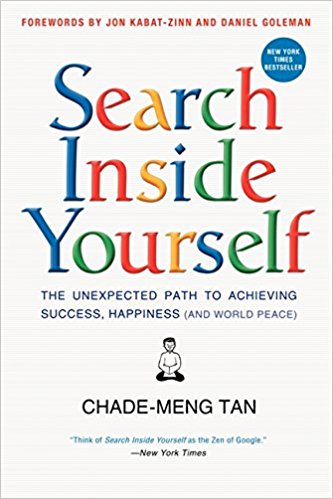
4) Search inside yourself - Chade-Meng Tan
5) Lost cat - Caroline Paul & Wendy MacNaughton
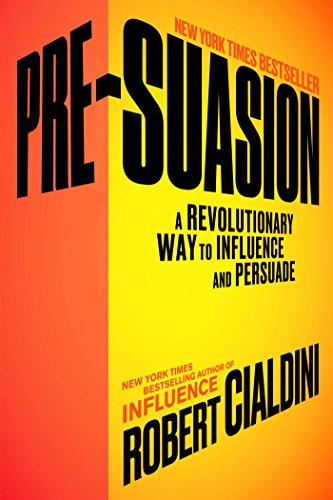
6) Pre-suasion - Robert Cialdini
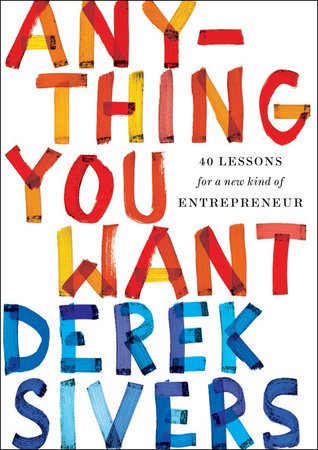
7) Anything you want - Derek Sivers
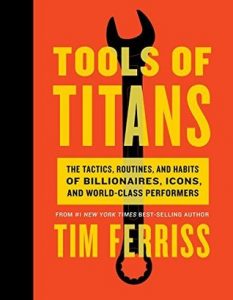
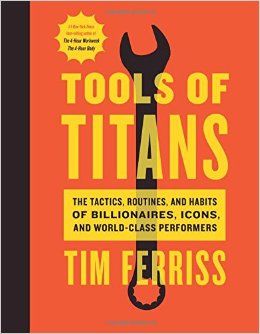
8) Tools of Titans - Tim Ferriss
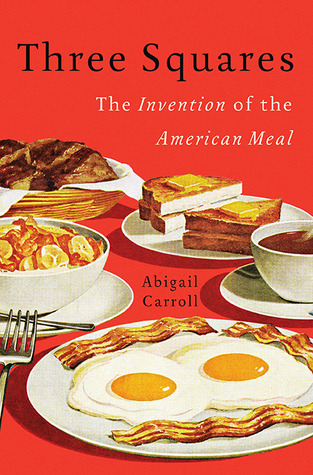
9) Three Squares - Abigail Carroll
10) The subtle art of not giving a f@#k - Mark Manson
11) Two roads diverged: trading divergences - Dr Alexander Elder

Like the previous years, I'll highlight a few books that I thought are worth recommending to others, and to re-read for me.


1. Tools of Titans - Tim Ferriss

You cannot profess to be a lover of self help books without having read Tim Ferriss books at all. This is a monstrous, thick compilation of all the interviews done by him over a course of several years. It breaks down all the interviews into 3 broad categories, namely health, wealth and wise. There's always some lessons to be learnt in each of the interviews and there is so much wealth of information that I probably have to revisit this book again when I require certain information. The book should be treated as an encyclopedia of empirically proven good living.

This books was so good that I kept my study notes on it. I link it here for your reference.


2.  Anything you want - Derek Sivers

This book is about an accidental business owner who stumbled onto a multi million dollar business while trying to find the solution to his own problems. Since the problem cannot be solved by existing businesses, he just started it himself. In the book, you'll read about the author trying to do all the things that are not conventional business wisdom, like trying to keep the business small instead of expanding it. It's interesting because the author is not trying to make money but trying to go back to his roots of solving a problem in the first place, hence this book is very refreshing. In his own words, he said that a business is a little utopia world where you get to decide the rules. It's a reflection of the creator, and nobody, not even profits, should take that idea away from you. If you're losing meaning and happiness in your work, read this. It's a short and sweet book that you should read whenever you're lost.


3. Pre-suasion - Robert Cialdini

This is the sequel of one of the best book I've read on social psychology, Influence. If Influence talks about the different techniques used by influencers to persuade you to do what they want you to do, then this book talks about how you can set the context right even before you ask the prospect to do what you want them to do. One book is about defense, while the other is about offense. One book talks about the period in which the sales presentation take place, the other talks about the period before the sales even happens. Rightly, one should read both books, in either order.


4. Search inside yourself - Chade-Meng Tan

This is the second book that I've read about mindfulness. The first book is by the Buddhist monk Thich Nhat Hanh. I think while the first book is my spiritual motivation to begin meditation, this book by Meng (as he is affectionately called) is the users manual on meditation. Written with the precision and clarity that only an engineer can, this book gives the reader a very good grounding in mindfulness practices, complete with superb and clear instructions. This is a book that is life-changing and will definitely be re-visted time and time again.

This is a sure re-read for me in the future. I suspect I will get different results in different reads. I did my study notes on this book and I link it here for your reference.


5. Three Squares - Abigail Carroll

This interesting book talks about the history of American meals and their eating culture. It traces the historical influences from firstly England and the native Indians, and then the French, and finally all the different immigrants who came in to America after the world wars. I always thought that the proper study of how and what food we eat can be the social history of our forefathers, so this book did not disappoint. What follows is the breakdown of what we know about breakfast, lunch, dinner and snacks. It's a bit long winded though. If you want the summary, just read the last two chapters of the book. It summarizes all the other chapters and also give a taste of what is to come in the future with regards to American meals.


So there it is. I will try to read more in 2018, at least much more than in 2017. While I feel like I'm not learning anything new without a book on my lap all the time, I also felt that I have a lot more time to consolidate all the knowledge and insights gained from this reading habit that I started in 2007. 10 years of reading and trying to read 52 books a year must mean something. 

I don't think I can ever read 52 books a year anymore, but that is no longer important. I started the challenge of reading 1 book a week to discipline myself and to avoid wasting time on other frivolous pursuits like checking on social media etc. It succeeded wildly beyond my imagination. But with a growing kid and still, that nagging feeling that I might miss something important while my eyes are on the books, I think it's time to move on from that challenge. 

I counted back in 2007 all the way to 2017, exactly how many books I've read (or re-read). It's 419 in total over 11 years, which is about 38 books per year. Even if I retained 10% of what I've read, it is still a lot of knowledge to be had. It certainly also improved my language a lot too. Well worth the price of my kindle LOL

Saturday, February 18, 2017

My notes on Tools of Titans

I just finished the big tome of a book, titled "Tools of Titans" by Tim Ferriss. If you're into self help books, you cannot avoid reading his books. This book is a series of summary from all his 200+ podcasts (each 2 hrs+ long) condensed into one big compendium, divided into 3 broad sections of health, wealth and wise. As a financial blogger, you might think I'll dive straight into the wealth part, but I read it from cover to cover. I think I do take in a lot of tips and pointers from the health section, and am currently practicing some of them.


This is the first time I did two rounds of reading plus note taking, because there's so much new information inside that you not only have to read it, but study it. So after every section, I'll re-read again while taking notes. The following are my notes. I'm sharing not because you don't have to read the book, but more to interest and perhaps excite you to read that book for yourself.

I highlighted the ones that resonate with me more strongly. I really really like the last highlight.


Healthy:

1. "I can think, I can wait and I can fast" ~ Siddhartha

2. "I'm not the strongest. I'm not the fastest. But I'm really good at suffering". Using sauna training as a replacement for high altitude simulation tents. 4 times a week - Amelia Boone

3. "When in doubt, work on the deficiencies you're most embarrassed by". Having one single decision to commit yourself to a long term goal and not a series of smaller intermediate goals. Just show up, do the work and go home - blue collar work ethic married to indomitable will. - Christopher Sommer

4. Ketosis for health and longevity, fasting (5-day) 2 to 3 times a year for purging precancerous cells - Dominic D'Agostino

5. Cold is a great purifying force - Wim Hof

6. Don't eat breakfast. Be careful of blood test results as they are snapshots in time. If over 40 and don't smoke, there is 80% chance you'll still die from the major 4: heart disease, strokes, cancer and neurodegenerative disease. High intensity heavy strength training is the way to losing weight, not running. - Peter Attia

7. "A good strength coach should get a female, no matter what her body fat is, to be able to do 12 chin ups in 12 weeks. Do increase pull up numbers, start doing half the reps you're capable of in repeated sets throughout the day. Accumulate reps with 15 min between sets. For maximal strength training, do not exceed 5 reps per set. "Calm is contagious" - Charles Poliquin

8. Practice going first - once you start, others will reciprocate, but be the first. Exercise with a group because a lonely place is an unmotivated place. Find your own tribe to exercise. Weighing sacrifices based on individual - the same thing can be a 80% cost to one, yet a 35% cost to another. - Gabby Reece

9. Almost all that you need to know about psychedelic is here - James Fadiman

10. Use of flotation isolation tank as a meditation substitute. Taking Ayahuasca without proper guidance can be like playing psychological Russian roulette. Ibogaine is one of the few psychedelics that can kill you. - Dan Engle

11. For men, whether you have morning boner can be a simple but excellent indicator of sleep quality, hormonal health, circadian rhythm timing and more. Campfire squat test - squatting all the way down to the ground with your feet and knees together - can be an indicator of whether you have full hip/ankle range of motion. Go 'Zero drop' for you kids - meaning get shoes that are flat for them, like kids Vans, Chuck Taylors - so that you don't systematically shorten your kids' heel cords with bad shoes - Kelly Starrett

12. "Kids don't do what you say. They do what they see. How you live your life is their example". To overcome jet lag, do some exercise for 15 mins at any time when you get to the hotel. Dream or a goal - questions to see if you have a plan to convert your dreams to goals. "To develop foresight, you need to practice hindsight."  - Paul Levesque (Triple H)

13. Playing Tetris for 10 mins can help in overwriting negative visualisation, like onset insomnia, flashbacks or post traumatic stress disorder. Never publicly criticise others, or you'll rule out future allies. - Jane McGonigal

14. He hires people based on what gets them excited in the morning, rather than a list of resume check boxes. Adam Gazzaley

15. 5 tools to sleep better - 1) Decompress the spine, 2) Chilipad, 3) Honey + apple cider vinegar, 4) visual overwriting using Tetris (10 min) or short uplifting episodic tv like Escape to river cottage season 1, 5) using sleep mask and white noise machine. 5 morning rituals to help win the day - 1) Make your bed, 2) meditate, 3) Do 5 to 10 reps of something, 4) preparing tea, 5) Gratitude exercise. Meditation - 1) use an app like headspace or calm, 2) transcendental meditation. Need to commit to at least a 7 day cycle of daily meditation with about 10 mins minimally. 99% of meditation time is letting the mud settle, only 1% matters - Tim Ferriss

16. 3 meditation tips: 1) Do it with a buddy, 2) Do less than you can so that it will not be a burden (do 3 mins if you can do 5), 3) Take one mindful breath a day. Two important exercises - "Just note gone" (be aware of something being gone and mentally note that it had gone) and "Joy of loving-kindness" (wishing random people to be happy) - Chade-Meng Tan

Wealthy:

1. When the going gets tough, say to yourself that "tonight, I will be in my bed". Cultivate a beginner's mind. Focus on the story, not just the numbers. - Chris Sacca

2. Charge a higher price for your products/services, then work hard to provide that value. Don't fetishize failure. To see your passion, ask yourself what you do in your free time - aka "Nerds at night" test. Set up a 'red team' to argue for the other side of any proposal. Have strong views, but hold them loosely - contradictory statement but the idea is to change when the facts change. Two rules to live by: be so good they can't ignore you and smart people should make things. People who are on pedestals are just like us, don't overestimate them. - Marc Andreesen

3. Don't be there to compete, be there to win. In negotiation, he who cares the least wins. Never audition, create your own unique niche and start your own category - Arnold Schwarzenegger

4. To thrive in an unknowable future, choose the plan with the most options and one that allows you to change your plans. When you start out, say yes to everything, because you never know when the next big break will come from. After you have some success, if it's not a 'hell, yes!', then it's a 'no'. If you're busy, you're out of control. Don't use 100% effort to gain 100% gains at the expense of a more stressful journey. Instead, working at 80% effort makes the journey less stressful, more enjoyable and maybe get 80% of the gains. The extra 20% gains is not worth it. Personalise your website and email and stand out among the rest of the people with bureaucratic and 'professional' responses. - Derek Sivers

5. The bar is set so low that if you give a lot of damns, you'll stand out. Let silence do the work when expressing skepticism - Alexis Ohanian

6. "The moment that you feel that, just possibly, you're walking down the street naked, exposing too much of your heart and your mind and what exists on the inside, showing too much of yourself. That's the moment you may be starting to get it right." - by Neil Gaiman.

7. Busyness is a form of laziness. Being busy is often using as a front to avoid a few important and uncomfortable actions. - Tim Ferriss

8. One push up rule for exercise. Set the bar so low that there's no excuse not to do it. Oftentimes, you'll exceed it - a 'system' way of looking, instead of 'process' based. - Matt Mullengweg

9. Quality of your life is the quality of your questions - questions determine your focus. Too much focus on 'me' results in suffering. State -> story -> strategy: If you're not in prime state, you'll focus on problems not solutions. Prime your state by doing 4-10 push ups or getting 20 mins of sun exposure, or just some more sleep. Sometimes the way out is just to fix your biochemistry, aka changing your state. - Tony Robbins

10. When in doubt about your next creative project, follow what angers you. “You realize that you will never be the best-looking person in the room. You’ll never be the smartest person in the room. You’ll never be the most educated, the most well-versed. You can never compete on those levels. But what you can always compete on, the true egalitarian aspect to success, is hard work. You can always work harder than the next guy.” The ultimate quantification of success is not how much time you spend doing what you love, but how little time you spend doing what you hate. - Casey Neistat

11. You can't be afraid to show your scars, because that's who you are and you have to stay true to that - Morgan Spurlock

12. "The limits of my language mean the limits of my world" - Ludwig Wittgenstein. Give the mind an overnight task and let your subconscious work on a problem. To move fast, expect an error rate of 10 to 20%. If you need more time to think and decide, then it should be a better decision by 10 to 20%. Seek a single good reason for doing something, rather than a blended reasons. If there is one single good reason, all the other reasons can fit in between the good one - Reid Hoffman

13. There is no need to wait: if you have a 10 year plan, ask yourself why you can't do it in 6 months. Failure is massively over-rated and failure is always a tragedy. Competition can take you away from actually being successful because you're so mired in the daily fight that you didn't improve on what can bring you to your own success. Don't win the competition but lose your fight. - Peter Thiel

14. Be a meaningful specific rather than a wandering generality - be sure to say no if it doesn't align with your mission. If you get enough bad ideas, then some good ones will have to show you. Don't always look for something to push uphill, even if you can do it. Look for something to push downhill, and you'll use less effort for greater results.- Seth Godin

15. If you can't get 10 good ideas, get 20 ideas. Avoid newspaper - many productive people also do that. You don't owe an explanation to everyone when you say no - James Altucher

16. How to create a real world MBA by deconstructing it first principle - Tim Ferriss

17. 6 elements of humor - 1) Naughty, 2) Clever, 3) Cute, 4) Bizarre, 5) Mean and 6) Recognizable. You need at least 2 dimensions to succeed. Focus on systems not goals. Systems thinking means you're thinking of what skills or relationships you can develop that is transferable. Goals thinking is binary pass/fail with no consolation prize. Practice affirmations, it works. To be extraordinary, either become the best at one specific thing or become very good at two or more things. The latter is easier because not a lot of people have that rare combination of skills. - Scott Adams

18. Saying yes can sometimes lead to wildly unexpected doors to huge payout - Shaun White

19. In the world of ideas, if you can name an issue, you get to own the issue - that's the Law of Category. Create your own category and own that unique niche - Tim Ferriss

20. Creativity is infinite resource - the more you spend the more you have. If someone ever says yes quickly, you didn't ask for enough. Go for premium straight away. Amplify your strengths rather than fixing your weakness. “A human being should be able to change a diaper, plan an invasion, butcher a hog, conn a ship, design a building, write a sonnet, balance accounts, build a wall, set a bone, comfort the dying, take orders, give orders, cooperate, act alone, solve equations, analyze a new problem, pitch manure, program a computer, cook a tasty meal, fight efficiently, die gallantly. Specialization is for insects.” by Heinlein - Chase Jarvis

21. Don't be afraid to do what you're not qualified to do. - Dan Carlin

22. Have 1000 true fans who would buy anything you make - they are your source of income and also your chief marketing force. If you understand principles you can create tactics. Give away 98% of your materials for free, but charge 10 to 100 times on ultra premium stuff and over deliver. Ramit Sethi

23. How to raise $100k in 10 day in kickstarter - Tim Ferriss

24. Asking the dumb question can be the smartest thing you can do. How to interview someone properly. - Alex Blumberg

25. What artist do is that they learn to see - Ed Catmull

26. When you complain, nobody wants to help you because you become a source of destruction rather than a source of growth for people. Pick the right audience to suck in front of, so that you can practice for the really important one. We just need 1 good break - Tracy Dinunzio

27. Rule of 3 and 10: everything thing starts to break down every time you triple in size. You start with 1, then at 3, it starts to break down. You adjust and when you grow up to 10, things break down again at 30,then 100, then 300 and so on. - Phil Libin

28. Take the coffee challenge - just ask for 10% off for your next few coffees as a training to put yourself out there and ask for things. Don't find time, schedule time. - Noah Kagan

29. Canvas strategy -Be an anteambulo and clear path for the people above you and you will eventually create a path for yourself. Finding the direction that someone successful had already intended to head and help them to pack , freeing them up to focus on their strengths. Make them look better than they are. Be lesser, do more. Don't let your ego prevent you from being humble. Be the canvas that shapes the painting. - Tim Ferriss

30. First edit for yourself, then edit for your fans, and lastly edit for your haters. In interviews, be vulnerable first to get vulnerability from your subjects. - Neil Strauss

31. ‘Inspiration is for amateurs—the rest of us just show up and get to work' by Chuck Close.

32. When 99% of people doubt you, you're either gravely wrong or about to make history. The best way to become a billionaire is to help a billion people. When 'no' simply means begin again at a higher level. - Peter Diamandis

33. If you find that you are telling yourself you are making so much money, then it's a warning sign that you're doing the wrong thing. Being in a good mood is essential for creative work. - B.J. Novak

34. How to say 'no' when it matters most and overcoming fear of missing out. "The wisdom of life consists in the elimination of non-essentials" - Lin Yutang. - Tim Ferriss

Wise:

1. "There is no way to happiness - happiness is the way" - Thich Nhat Hanh

2. Stargazing as a therapy - when you're struggling with anything, just look up and ponder the night sky for a minute. Sometimes we don't need to give advice, people just want to know that you're listening empathically to them. Knowing that you're listening is good enough. - BJ Miller

3. Choose what to focus on. "The really efficient laborer will be found not to crowd his day with work, but will saunter to his task surrounded by a wide halo of ease and leisure. He is only earnest to secure the kernels of time and does not exaggerate the value of the husk" - Henry David Thoreau. Do not mistake signs of productivity, like a full schedule or being busy, with actual work produced. "Write to please just one person" - Kurt Vonnegut.  - Maria Popova

4. Discipline equals freedom. If you want to be tougher, be tougher - you just immediately make the decision to be tougher. Take extreme ownership. - Jocko Willink

5. There is a calming effect in acting instead of waiting. Disaster though causes casualties and much hurt, can be unifying as well. It flattens and makes men equal. Ask yourself: what would you die for? - Sebastian Junger

6. Creating a 'red' team - ask people who are not wedded to a plan and ask them how they would disrupt and defeat the plan. Always have 3 people you're always watching - one more senior to you that you want to emulate, another is a peer who you think is better than you, and the last is a subordinate doing a better job that you did in the past. This accelerates your learning process. - General Stanley McChrystal and Chris Fussell

7. Work will work when nothing else will work. Memento mori - always remember that you are going to die. -  Shay Carl

8. Don't follow your passion - that's bad advice. The biggest predictor o job satisfaction is mentally engaging, meaningful work. We have 80,000 work hours in our life. Spending 5% - about 2 working years - to think about what we want to do is worth it. - WIll Macaskill

9. Dickens process - a way to examine limiting beliefs. Write down top 2 to 3 limiting beliefs across each tense. What has each belief cost you and your loved ones in the past? What is each belief costing you and your loved ones in the present? What will it cost you and your loved ones in the next 1,3,5 and 10 years? Use affirmations to re-wire beliefs. -  Tim Ferriss

10. Don't care about what the world thinks, then you shift all the weight of the world away from your shoulders to everyone else. They will be the one who will be worried, but no longer you. If you care what the world thinks of you, you are the one who is worried, not them. Then you'll truly be free. - Kevin Costner

11. When talking to people about the future, ask if they have children. The fate of civilisation in the abstract is harder than worrying about what sorts of experiences your children are going to have in the future. Important of self transcendence. - Sam Harriss

12. Pride can be a tool - fear of failure (leading to humiliation and disappointment) can be greater than the fear of doing things. Injury is not that bad; to not do something because of the possibility of getting injured is a terrible excuse -  Caroline Paul

13. To conquer your fear, first define it. Then realise that it is at best temporary. The outcome is permanent but the setbacks is temporary, so the risk reward is in your favour. What we fear doing most is what we most need to do. - Tim Ferriss

14. Sit, sit. Walk, walk. Don't wobble. In a world of distraction, single-tasking is a superpower. Don't get ideas first then write - you write in order to think. Don't always measure productivity - think in terms of extreme performance or extreme satisfaction. - Kevin Kelly

15. “Our life is frittered away by detail. . . . Simplify, simplify. . . . A man is rich in proportion to the number of things which he can afford to let alone.” — Henry David Thoreau, Walden. Live a day in the worst case possible, in order to realise that the worst is nothing to fear about. There is freedom from practicing poverty. Suffer a little regularly and you often cease to suffer - Tim Ferriss.

16. Perfectionism leads to procrastination, which leads to paralysis. Don't aim to please all people, and don't be afraid of people not liking you. Bad decisions make good stories - so look for silver linings. Comedians become comedians so they can control why people laugh at them. Being on stage, the material you had is only 10% - the rest is just how comfortable you are. - Whitney Cummings

17. Don't attribute to malice that which can be explained otherwise. A successful person must ultimately be at peace as well. Learn to appreciate every day that goes by without a major disaster. - Alain De Botton

18. Make lazy your manifesto! Don't let busyness serve as a kind of existential reassurance, a hedge against emptiness. Don't let it cover up some fear or let you excuse yourself for living a meaningful life. Saying you're busy makes you feel important and sought-after. Idleness is indispensable to the brain - for making unexpected connections. Life is too short to be busy - Tim Kreider

19. Aim for the heart, not the head. Once you get the heart, you can go to the head. Once you have both the heart and the head, you gain a pathway to the soul. 'The good shit sticks'. - Cal Fussman

20. Alternating sauna and ice bath works wonder. 20 mins of sun in the morning is good. To get unstuck, make your task laughably small, like write one word in the song by tmr. If you can do one small task, it builds up - so the point is to start. The beginning is 'heart work', not 'head work'. - Rick Rubin

21. To handle procrastination, make yourself feel guilty, then start and never stop. Even if you don't feel inspired, just have the discipline to move on. When writing, you're not there to show how cultivated or intelligent you are. You're writing to show your heart, your soul and to tell your fans and readers that you're not alone - Paulo Coelho

22. Every writer begins with a blank page. There is a bullet list of questions to begin writing something - Cheryl Strayed

23. Just take on the pain and wear it as a shirt. To resolve conflict, just say less.- Amanda Palmer

24. Focus on 2000 to 3000 people - general fame is overrated, you just need to be famous to the 2000 to 3000 people you handpicked. In general, consensus is how we bully people into pretending there's nothing to see. If you change your words, you change your world - come up with your own words and let pop culture catch up to you. Be a high agency person - someone who will get around whoever it is that told you that you can't do something. When doing deep creative work, use a string of vulgarities as a mantra. The theory is that when you say something that is prohibited to us (like spewing vulgarities), your brain goes into a different mode of inhabiting unsafe space, making you  more creative and 'different'. We only talk about learning disabilities, but we have to wonder about teaching disabilities also. - Eric Weinstein

25. Blind belief in yourself - Seth Rogen and Evan Goldberg

26. Life is a full contact sport. Trying to get everyone to like you is a sign of mediocrity. 8 ways here to deal with haters - Tim Ferriss

27. Find out why someone would disrupt you. Be curious. Ask questions about them to understand. "Those who are offended easily should be offended more often" - Mae West - Margaret Cho

28. Be yourself - it's much less work just to be so. Hot chillies, shallots and lemon - his 3 building blocks to have in his kitchen. To look for recipes, choose the one that describes even things to the most minute of details - those are the doers, people who had actually gone through it. - Andrew Zimmern

29. Cynicism is a disease that robs people of the gift of life. Believe in yourself and dream bigger. - Rainn Wilson

30. Happiness is a choice you make and a skill you develop. Work at it - it's like muscles. First rule of handling conflict is not to hang around with people who are constantly engaging in conflict. Sooner or later they will come to you. You always have 3 options in life for any situations - change it, accept it or leave it. Do not wish you would change but not change it, wish you would leave but not leave it etc.  5 chimps theory - you can predict the mood and behaviour of any chimps by looking at the 5 chimps they hang out with. Honest is a core foundational value. Tell people what you want to achieve, and be embarrassed into doing it. Enlightenment is the space between your thoughts - be enlightened from moment to moment. All the real benefits in life come from compound interest. Praise specifically, criticize generally. “What you choose to work on, and who you choose to work with, are far more important than how hard you work.” “Free education is abundant, all over the Internet. It’s the desire to learn that’s scarce.” “My one repeated learning in life: ‘There are no adults.’ Everyone’s making it up as they go along. Figure it out yourself, and do it.” - Naval Ravikant

31. Be willing to fail or succeed on who you really are. Don't ever try to be anything else. Know what your principles are, not your interest. Even if the world goes over the cliff, you're not going to change your principles. - Glen Beck

32. Inviting Mara to tea - a way to recognise negative emotions and inviting them in, by saying 'I see you', instead of suppressing them away. - Tara Brach

33. 2 rules for the kitchen and life : 1) Set a high standard on everything - don't serve things you wouldn't want to eat. 2) When things get busy, instead of plowing ahead, step back and come up with a plan.. The difference between home cooks and pro is acidity level. Add a bit of lemon and everything is elevated. Passion is over-rated. Passion comes from a combination of being open and curious, and of really going all in when you find something that you're interested in. - Sam Kass

34. If you want to be taken seriously, then take things seriously.- Edward Norton

35. Don't work for the awards, let the awards work for you. Love yourself before you can love others. - Richard Betts

36. In Art, everyone is equal, but in life, they are completely unequal (Art is socialism but life is capitalism). Only emotion endures. When questioning people for answers, sometimes the silence speaks louder than words.  When interviewing people, ask questions that throws them off - ask questions that people are not expecting. Don't bow to the gatekeepers because there are no gatekeepers - you are the gatekeepers. Don't waste time on marketing, just try to get better. - Mike Birbiglia

37. The jar of awesomeness - whenever something good or exciting or joyful happens, jot it down on a slip of paper, and put into a physical jar. You thought you will remember all the good things that happened to you, but you won't. Good for cultivating gratefulness. - Tim Ferriss

38. To start a book or chapter, start in the middle. Once you don't start at the beginning, your life just gets so much simpler. Have zero intellectual insecurities - keep asking dumb questions. - Malcolm Gladwell

39. Don't be afraid to try because you're intimidated or scared - the world cares less about you than you think they do. - Stephen J. Dubner

40. Empty space is a way of life for creative process. Learning the macro from the micro - focus on very small part to internalise powerful macro principles that apply everywhere. Share all the details and don't be afraid of letting your competitors know your secrets - if you're studying my game, you’re entering my game and I'll be better at it than you. Why? It's rarely a zero sum game, and the more you help people with details, the more detailed help you get. Plus, your attention to detail will scare off 50% of people who tried, 40% of those who tried will be worse than me, and 10% will try and be better than me, but they will return and teach you what they've learnt out of gratitude. End training sessions on a good 'rep' and leave your writing sessions half way mid sentence so that you always know where to start and end the session with confidence. Do interval trainings and meditations together to cultivate the art of turning it off and on. Embrace your eccentricity and build on it. For the steepest learning growth, pick the top competitors and learn from your failure. The importance of language - don't have unproductive language about whether something is good or bad before we can do certain things. Otherwise we'll be reliant on external conditions to be perfect in order to work. You can have a beautiful rainy day to work on too - Josh Waitzkin

41. Have a deloading phase - a phase where there is a planned reduction in volume or intensity when exercising so that it prepares the body for increased demand in the future. Works for life as well. Deloading blocks must be scheduled and defended more strongly than your business commitments! Create slack, because no one will give it to you. - Tim Ferriss

42. A person's success in life can usually be measured by the number of uncomfortable conversation he is willing to have. Ask yourself: when i had the opportunity, did I choose courage over comfort? To be trusted, be vulnerable first. - Brene Brown

43. To be jaded is almost like being dead. Nothing impresses you anymore. Be a skeptic, don't be a cynic - Jason SIlva

44. 17 questions that changed your life. Worth a re-read again - Tim Ferriss

45. There's nothing on the other side of fear, so don't be nervous for no reason. You are either great or you don't exist. - Jamie Foxx

46. When you start something new, ask yourself if it's an itch or a burn? If it's just an itch, it's not sufficient. You really have to want it badly for it to work. Beware of self limiting beliefs that is preventing you from getting the things you want, which is just outside your comfort zone. - Bryan Johnson

47. You don't find time, you make time. If it's truly important, schedule it. If it's not in your calendar, it isn't real. -  Brian Koppelman

48. "They tried to bury us. They didn't know we were seeds". Practical notes on suicide. - Tim Ferriss

49. Treat everything like an experiment, do it like nobody is ever going to see it. You might free yourself from limitations. Turns weakness into strengths and bugs into features. In the ashes of failure, there is always some lessons you can apply to make your future success, so failure is not durable. Your present failure might be your future success. You don't need to know, but trust that you can perform when you're there. At your best performance, you really don't know what happened. Even the pros don't know. Never be upset about anything, because if you have a positive attitude, you'll ask what you can learn from this set back. If something didn't go according to plan, it might be for a good reason - Robert Rodriguez

50. If bad things happen, say 'Good'. You'll accept the reality and focus on the solution instead of dwelling on the problem. If you can still say 'good', you're still alive and breathing, so get up, recalibrate and re-engage. -  Tim Ferriss

51. You must want to be a butterfly so badly, you are willing to give up being a caterpillar. - Sekou Andrews

Saturday, December 24, 2016

The year 2016 in terms of books read

It's becoming clear as we move towards the end of 2016 that my target of reading 52 books this year is not going to happen. Not going to give any excuses for not being able to do so, it is just as it is. As usual, I'm going to list down all the books that I've read, then I'm going to recommend a few good ones that forms a deep impression after reading.

Here's the list of all 38 40 (updated 28th Dec 2016) books that I've read this year:

Alibaba: The house that Jack Ma built - Duncan Clark
The new sell and sell short - Alexander Elder
Living with a SEAL - Jesse Itzler
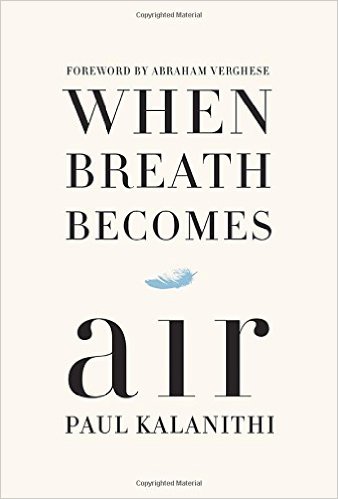
When breath becomes air - Paul Kalanithi
Continuum concept - Jean Liedloff
Asian Godfathers - Joe Studwell
Pregnancy: for the first time moms - Darrell Spice
Hard truths to keep Singapore going - Lee Kuan Yew
Extreme ownership - Jocko Willink & Leif Babin
Choose yourself - James Altucher
Gorilla mindset - Mike Cernovich
Beautiful souls - Eyal Press
Start-up nation - Dan Senor/Saul Singer
Concierge confidential - Michael Fazio
What money can't buy - Michael Sandel
It's only money - Cara MacMillan
Real Food / Fake Food - Larry Olmsted
Be financially free - Morten Strange
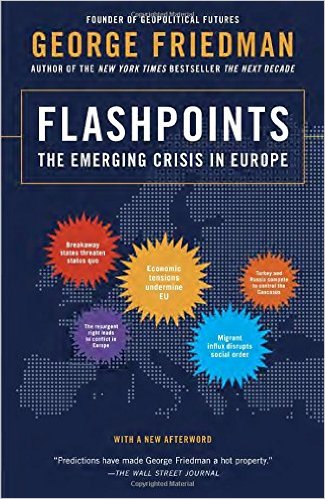
Flashpoints - George Friedman
The monk who sold his Ferrari - Robin Sharma
Left behind 01 - Tim Lahaye, Jerry Jenkins
Dietland - Sarai Walker
The money culture - Michael Lewis
Absolute beginner's guide to pregnancy - John Adams, Marta Justak
The Happiness Equation - Neil Pasricha
The Infinite Sea - Rick Yancey
Forever Free - Joe Halderman
The art of Procrastination - John Perry
Forever Peace -Joe Halderman
The Forever War - Joe Halderman
Fahrenheit 451 - Ray Bradbury
Bartleby The Scrivener - Herman Melville
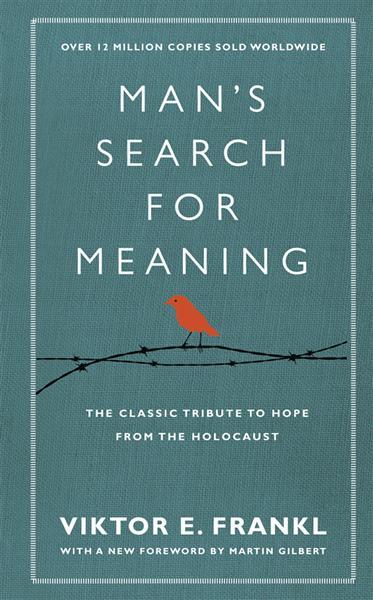
Man's search for meaning - Viktor Frankl
Do androids dream of electric sheep? - Philip K. Dick
Portfolios of the poor - Daryl Collins et al
Gang leader for a day - Sudhir Venkatesh
The ultimate success secret - Daniel S. Kennedy
The education of millionaires - Michael Ellsberg
Way of the peaceful warrior - Dan Millman
Money: Master the game - Tony Robbins

I can probably squeeze one book book or two before the year is up, but that is pretty much it. Not in any order of preference, here's the shortlist of 6 books that I think are crucial in my personal development:

Portfolios of the poor - Daryl Collins et al
Man's search for meaning - Viktor Frankl
Flashpoints - George Friedman
Beautiful Souls - Eyal Press
Start-up nation - Dan Senor/Saul Singer
Extreme ownership - Jocko Willink/Leif Babin
When breath becomes air - Paul Kalanithi


1. Portfolios of the poor is so good that I can't help but post some sort of reflections while I'm still half way through the book. You can read about my post here. It talks about the financial statements (balance sheet and cash flow) of those who are living wit 2 USD per month or below. No other books I've read talks about the portfolio of the poor and their apparently bad choices in life like this book. I think while it's important to read the majority of the books out there that talks about the portfolio of the rich, it's also important to examine the other side. After all, both cases are extremes and likely we fall in between these two.


2. This book is on so many people's recommended list that you just have to read it to see why. He is a logo-therapist who survived the Holocaust and found that people who suffered needed meaning to understand why they are suffering. Everyone can take suffering, as long as it serves a greater purpose, but nobody wants to take meaningless suffering. It is a very engaging book and is a page turner for me. Beware, because once you started on this, you  might just want to quickly get to a quieter corner to devour this book in its entirety as soon as possible.


3. This is a sequel of the book "The next decade" also by the same author, and I thoroughly enjoyed it. This continues from where he left off and focuses more on the EU region and where the conflict areas, known as flashpoints, are in the region. I read this around the Brexit saga and it allows me to understand the different scenarios that might be played out. This is a very interesting book if you're interested in the global political scene that is happening right in front of our very eyes. What will happen to Russia, and to the different countries that made up the EU? How is Turkey going to navigate the scene, being sandwiched between Europe and the middle east?


4. This is a brilliant book recommended by Sillyinvestor. It is collection of stories that portrays real people displaying extraordinary courage by rising above all others to do what they think is right. The author infuses each story with some comments on how difficult it is to go beyond the social rules of the group and act what is right. There is a story of an immigration officer who allowed fleeing Jews into Switzerland, a guy who did the right thing in the conflict between the Croats and Serbs, an israeli soldier who refused to follow orders and a whistle blower in corporate America. It's a very light reading but with a very heavy lesson behind all the stories - when it comes to your turn, would you sacrifice personal gains to do what is morally right?


5. What's wrong with Singapore's education system? How come we don't have a start up culture here, compared to other countries? Israel is one of the most war torn nation surrounded by hostile countries who loved nothing but to see the downfall of their nation, but it still produces a lot of companies that brings so much innovation plus patents that drives technological advances globally. This book explores some of the things that went right for Israel. There's a lot of references to Singapore as a comparison to Israel, so the locals here might find it very relevant. I think any parents or teachers with a stake in educating our next generation will find this book extremely relevant and thought provoking. 


6. Two SEAL officers come together to give business consultation to companies by applying what they've learnt in their combat training and experience. I thought it'll be pretty cheesy, but it's surprising relevant. Every chapter they will illustrate some exciting combat situation and how they navigated through all the screw up and potential dangers and emerged victorious. And after that, they will apply this story to one case in their consulting work, followed by a summary of the lesson. One concept of extreme ownership is what I'm trying to practice after reading it. It's about how everything and anything that didn't go according to your plan is your fault. If my student is not motivated, it's my fault. If my student didn't do well, it's my fault. If my student wanted to leave the tuition, it's my fault. It might be a little harsh, but it empowers me and gives me the ability to change my environment, rather than to give that power away. One of the best self help book I've read this year in 2016. Don't take my word for it, go and read and see for yourself.


7. After reading Viktor Frankl's book on Man's search for meaning, this book seems like accompanying book. While Viktor's book is more philosophical and theoretical, Paul's book is much more practical and it feels that the author is showing us how to lead a life full of meaning even though he is suffering. I think there is a great deal of lessons we can learn from him. This book can be read easily and is a page turner, so be prepared to sleep late at night once you've started on this book. Be warned. You might even cry a little at the end of it all.


In 2017, I'm going to have a major change in my status. I'm going to be a father! I wonder if that will derail my target of 52 books a year. Probably so, but we shall see. As it is, I still intend to read, but I wonder if this is just fantasy on my part haha :)

Monday, August 29, 2016

Gold and Silver investing guide

Bigscribe released a new free ebook again, and this time it's about investing in metals. I'm a lay person and I know nothing about investing in metals, so this guide comes as a godsend to fill up my knowledge base. We always hear people talking about investing in metals as a hedge against hyper inflation (like during extreme conditions in wars), so naturally I'm interested to find out more about it.


This book talks about buying physical metals, specifically the buying of physical investment grade gold and silver, and the other little details like where to store and so on. There are other ways to invest in metals, like Gold ETF, but in shit-hits-the-fan situations, buying in such intangible metals might not be good because you're subjected to counterparty risk. In physical gold or silver, you just take and run. From the guide, I even know that there are 2 other ways to invest in gold, other than ETFs and physical gold. I think it'll be a good guide for lay persons such as me to learn about such things, even if you don't necessary have the huge asset base to diversify into precious metals.


The last part of the guide talks about the different myths for and against buying of Gold and silver. I think this gives the guide a well rounded starting point to find out more about the investing of precious metals. Try and register for it here, it's free and set in the local context, unlike other sources from the internet or books.

Tuesday, April 26, 2016

Bigscribe's localized Crowdfunding guide

Bigscribe recently released a guide on crowdfunding which I thought was a very good introduction to this new fintech phenomenon. I don't think there's any guide out there that caters to the local context and introduces crowdfunding to Singapore's retail investors or lenders. You know how the internet disrupted existing framework when Uber started connecting passengers and drivers and bypassed the traditional method of getting a taxi. Well, in a way, crowdfunding seeks to connect investors or lenders to companies and bypass the traditional framework in which such things work.


I will highly suggest anyone who wishes to even dabble in crowd funding to at least read this guide to get the general inkling of what to do and what not to do. You owe it to yourself to find out as much information about crowdfunding before putting your money into it. Besides, the book is free to download here, and it's not a long read anyway. You can finish the entire ebook from cover to cover if you read it slooowly for an hour.


If you're even remotely interested in crowdfunding as an alternative way to get a better returns for your cash, you can read the interview of two persons who had actually particpated in crowdfunding as an investor and decide if it is worth the risk. I thought their sharing of the pitfalls and the maximum allowable percentage allocated to crowdfunding (and the reasons) is worth a read. They also shared their criteria to evaluate which projects are the best to invest and which are better left alone.


Wait for what? Go and download lah! Subscribe to Bigscribe!

Sunday, February 28, 2016

Portfolios of the Poor

I am reading this book, titled "Portfolios of the Poor" by Collins et al. It's an interesting book because it studies the poor, defined broadly as those living with 2 USD per month or below, in a few continents like South Africa and India. We are talking about people who have irregular income, living in slum cities, plagued with various health issues and still have a family to support. They are living with less than $2 US per month on average, meaning that there are months they earn a little more and months where there is no income at all. The most interesting part about is that the book talks not about the census statistics but drills deep into the assets and liabilities (i.e. balance sheet) and cash flow of the poor, hence the title of the book.


I'm about 50% through, but there is already some interesting findings about it that I think can apply to my life already:


1. Remittance to your family, is it counted as an asset or an expense?

First of all, the book makes an important distinction between remittance of various nationalities. If you're remitting part of your income back to some distant relatives that is not going to help your immediate situation, that remittance is counted (in the book) as expenses. If you're remitting back to your own family back in the hometown, that is counted as an asset. I thought that is an important revelation for me, as I would have counted all remittance as an expense.

Going back to my own situation, I gave a portion of my income to my parents. It's not a small sum, and it is easily the 3rd or 4th biggest expenses after mortgage, food and insurance. I've counted it as an expense all the time, until the revelation hits me. To be honest, sometimes my parents would buy me some food stuff and help me to get some stuff done when I couldn't be at home. In other words, you can treat this 'expenses' to parents as an asset that you can utilize when you need to.

Now to qualify it further, I think it's important to distinguish between parents who can help you and those who can't. I'm not trying to be mercenary, but it's an important difference to make when you are considering to call upon the help of your parents. If you're never going to ask help from your parents because they are not competent enough or your relationship with them is just not that strong, but you're still giving them an allowance to fulfill your duty as their child, then please treat this as an expense.


2. Most of them take microloans with huge interest. Isn't that financially unsound?

Whatever I'm talking about in point 1 is an informal asset. If you talk to an accountant, they are going to tell you that since you're paying money with no immediate benefit, it's an expense. But the poor studied in the book really utilized such informal assets very frequently. They will have to because their income is unstable and comes in only at certain months of the year, but they have to eat every day. Hence cashflow to them is very important.

To tide through months where they have negligible income, they take microloans with huge interest (easily 30% per month). It seems a lot, but these are actually simple interest loans with flexible period of payment even though it's stated clearly the duration of the loan period. Their system is flexible and sometimes the lender (all of them are not licensed but do it out of obligation or just trying to help their fellow villagers) will forgive the interest or principle if they deemed the borrower had paid enough.

I'm not saying we should all go and take out microloans with huge interest, but I think I'm starting to understand their perspective a little more, instead of just saying they are not financially wise to do so. If you have family to feed daily but your income drips in every other month, you do what you can to settle the most immediate concerns now.

I start to see the role of such microlenders to provide cash flow for the poor. I do not expect Singapore's microlenders to forgive the debts and to have simple interest with flexible payment period, but to sweep all of them as devils trying to profit from the desperation of the poor seems a little harsh. They do serve a niche area where the bigger institutions like banks are reluctant to do because of the higher risks involved. It's precisely because of the unstable income that they need to borrow money to provide a stable cashflow but it's also the same reason why the banks refuse to lend them. If you remove the microlenders or put harsh penalties to drive out them out of business, then who is going to step in to provide the still needed service? Loan sharks?


3. The things we take for granted.

When I read that a lot of them deposit money in banks every month for a year, so that they can take out slightly less than the total amount put in, I was stunned. The system we're used to here is that we get paid for depositing money, but they are paying for the right to deposit money. What's the issue here?

Firstly, there's a lot of places worse than putting in bank. If you place it under your mattress, you risk having it stolen or burgled. If you hide it in your home, you risk having your home burnt down in a slum fire or washed away by floods or demolished by the government trying to control the spread of the slum cities. This sort of stability is something we take for granted.

They also have multiple savings clubs where their schemes are so ingenious that I might take a whole article to spell it all out. One of the more simple ones is where each month they give $10 to a person, and by the end of the year, they can take out $120. This is way more convenient than walking 2 hours to the nearest bank, but you run the risk of the money getting robbed/stolen/embezzled. Might be safer with the banks with a small cost, isn't it?


Secondly, the drudgery of life makes it easy and tempting to focus on the immediate and forsake the longer term future. Without the discipline instilled in putting a sum every month in the bank, the poor people will have a hard time saving up for major milestone event like wedding, funeral, buying of seeds for harvest etc etc. In other words, they are paying a small sum for the discipline that is forced down onto them, to make sure they save up so that they have a lump sum payment at the end of the maturity period. This really opens up my eyes. We're complaining about the low interest rates here for saving deposits...wait till we have to pay to deposit money (aka negative interest rates).


I think this is one of the most interesting books I've read this year regarding finances. It really opens up my eyes on how the poor people studied in the book manage their financial life. If you ask me, they are astute cash flow managers, being able to move cash in and out multiple times of their networth. This means networth is not really their concern over there, cash flow is. Isn't that the same for us? This book is much more significant to me as I'm also a self employed with variable income. Whatever they do to alleviate the stress of not being able to bring in money during their off peak months, I can also follow.


Another 50% more to go to complete the book.