Thursday, January 26, 2017

Circular for Bullythebear shareholders

CIRCULAR TO SHAREHOLDERS (“CIRCULAR”)

in relation to

THE PROPOSED CONTINUATION AND FUNDING OF PREMIUM CBOX (Thereafter, “THE PROPOSAL” )
-------------------------------------------------

DEFINITIONS

For the purpose of this Circular, the following definitions apply throughout unless the context otherwise requires or unless otherwise stated.

“BullyTheBear” : The award winning website that talks about personal finance and finance related information

“cbox” : The tiny little community space right at the bottom of and below the blog posts of BullyTheBear, where shareholders can type in messages and discuss the mundane and important issues of the day

“Chairman” : Chairman of BullyTheBear website, known popularly as La Papillion, or LP

“Exchange rate” : Exchange rate of 1 USD to 1.46 SGD, taken conservatively.

“Premium” : The paid, upgraded version of the free cbox, which is the current version.

----------------------------------------------

To: The shareholders of BullyTheBear

Dear Sir/Madam

THE PROPOSED CONTINUATION AND FUNDING OF PREMIUM CBOX (“THE PROPOSAL”)


1. INTRODUCTION

1.1 The Proposal

The Chairman of BullyTheBear would like the shareholders to consider this proposal of the continuation and funding of the premium cbox. The cbox had been an integral and important part of the culture of BullyTheBear. Despite several major facelifting and structural changes that had occurred and will occur in the future, the cbox is one feature that will be set in stone. In fact, BullyTheBear will not be where it is today if not for the bond building and sharing that took place among shareholders, many of whom are regular users of the cbox.

However, the premium version of the cbox is going to end in 8th Feb 2017, hence the proposal to shareholders to decide on the continuation and funding of the premium cbox.


1.2 Purpose of this Circular

The purpose of this Circular is to provide shareholders with relevant information relating to The Proposal, and to seek shareholder’s approval and feedback for this exercise. Shareholders are requested to give honest feedback, but it is to be noted that the decision of The Proposal lies solely on the Chairman. That being said, the voices of the shareholders will taken into consideration on the final deliberation of the decision of The Proposal.


2. DETAILS OF THE PROPOSAL

2.1 Listed below are the features that shareholders are used to in the premium cbox:

(a) Higher capacity – the premium cbox can store up to 600 messages (as opposed to only 100 messages for basic cbox) with up to 1000 characters long each. Each and every post are also archived.

(b) Users can delete their own last messages in the event of typos. The administrator can also delete messages and ban users with a single click.

(c) Ad-free

(d) Dynamic auto-refresh – The rate of autorefresh is dynamically adjusted to the rate at which new messages are being posted.

(e) Sound notification in the event of new messages. This complements the auto-refresh.

(f) A ‘who’s online’ display lists who is viewing and who is chatting

(g) Advanced style editing

(h) Custom word filter

(i) Allows users to password protect their names to prevent impersonation


2.2 Cost of the Premium cbox

Cost of The Proposal depends on the period of time for which the premium cbox is purchased. Generally, the longer the period, the cheaper the cost. Here are the costs for different periods:

Period(months)----------Cost(USD)------------Cost per month (USD)
------3------------------------$6.00-----------------------$2.00
------6------------------------$11.00----------------------$1.83
------12----------------------$20.00----------------------$1.67

Shareholders can verify the cost in the cbox website here.


3. EVALUATION OF THE PROPOSAL

In evaluating The Proposal, the management of BullyTheBear had taken into account the pertinent factors set out below which will be considered as they are deemed to have significant bearing on the assessment.

(a) Rationale of The Proposal

(b) Financial effects of The Proposal

(c) Possible effects of The Proposal


3.1 Rationale of The Proposal

As a responsible company, BullyTheBear believes in involving shareholders in its major decisions. While sole responsibility and decision eventually rests on the management, the Chairman still believes in seeking honest and prompt feedback. Below are the key reasons for The Proposal:

(a) As mentioned in the Circular, BullyTheBear is a shareholder friendly company. There is almost no advertising in bullythebear now, unlike the past. The ads revenue had been dropping steadily as the readership of Bullythebear dwindles. Hence, the need to ask shareholders for funding. It is not that The Chairman cannot pay for the cbox, but as a community, it is important that everyone contributes so that there is a sense of belonging and communal sharing. The Chairman would like to take this opportunity to once again thank all the regulars and not-so-regulars who frequent the cbox daily like the neighborhood’s kopitiam.

(b) It is the wish of the Chairman to give back to society what it had been given to him. Through the tiny space occupied by the current cbox, a lot of important discussions had been debated and ideas thrown around shareholders. By The Proposal, it is hoped that such active discussion will continue to be an active feature of BullyTheBear. It would be a travesty to go back to the ancient days where there are ads, and no auto refresh of messages again.

(c) Though this is not a serious and prevalent problems yet, The Proposal will prevent impersonation of regular users of cbox as the premium version allows the user to password protect their nickname. This protects both the integrity and credibility of users – two of the important tenet that is held closely by BullyTheBear’s management.


3.2 Financial effects of The Proposal

The cost of The Proposal should be borne by everyone. To get the best value for money, the 12 months plan with the cost of 20 USD should be selected. Based on the rate of 1.46, the cost in SGD is $29.20 for 1 year. Donations by shareholders are most welcomed. Everything is strictly accounted for.

Should there be excess donations above SGD $29.20, shareholders do not have to worry about the issue of fattening the Chairman's bank account, because there will be proper accounting and the excess money will be rolled over to fund the next continuation of the premium cbox.

Should the be insufficient donations to cover the SGD $29.20, and as long as there is one single donor of any amount for The Proposal, The Chairman will undertake to pay for the remaining amount. As long as there is a supporter, the premium cbox feature will stay.

For illustrative purpose:

i) Donations amounted to SGD $50, which is above the required SGD $29.20.

SGD $29.20 will be paid to cbox website for the premium cbox, while the remaining SGD $20.8 will be rolled over to fund the next year's worth of fees. There is a historical data for this. Back in 2013, due to overwhelming response for the call of funds, the amount of donations is 4 times the required amount. Hence The Proposal in 2017 now.

ii) Donations amounted to SGD $5, which is below the required SGD $29.20

The Chairman will top up SGD $24.20 to pay for 12 months of premium cbox. The principle is that as long as there is one supporter, the premium cbox will remain.


3.3 Possible effects of The Proposal

Donations might deprive shareholders of buying an extra container of pineapple tarts for themselves, and thereafter end up slimmer for the new year. Donate for a good cause and end up with a good figure.


4. CONCLUSIONS

The Chairman would like shareholders to give honest and prompt feedback on The Proposal. Shareholders can do so by clicking the comments button at the end of this Circular and they can be sure that the Chairman will address their concerns and feedback within 1 working day. The Chairman would like to recommend:

(a) a period of 12 months of premium cbox, with an expense of USD 20.00 or SGD 29.20 based on the Exchange rate

(b) donations is to be transferred to The Chairman's posb savings account 543-60484-4.

(c) Absolute deadline is on 5th Feb 2017 to allow some time for the administration of The Proposal.

-------------------------------------------
Updates: 29th Jan 2017

Here's a list of donors:
1. D - $50
2. S - $10
3. J - $10
4. O - $8
5. C - $10
6. J - willing to share half of cost with me if there's no donors

Really, thanks from the bottom of my heart!

As of 29th Jan 2017, I also managed to secure a better deal for cbox! The usual is 12 months for 20 USD ($1.67 USD/mth), but I managed to negotiate for a longer term at a cheaper rate that is not published. It's going for $40 USD for 27 months ($1.48 USD/mth). I'm going for that for the best value.

Wednesday, January 25, 2017

Gong xi gong xi

Some companies are wishing themselves happy chinese new year with their retrenchment exercises near the festive season. One of the more notable examples is given below:


Besides that, HSBC also recently closed some branches and cut some jobs (here). I guess we all have to strive for financial freedom one day, because there'll come a time where even if you want to work, you might not be able to, either because the economy had changed drastically or you are unfit because of health reasons.

Have career aspiration or not is up to you, but one must definitely have financial aspirations!

Saturday, January 21, 2017

Is it a dream or a goal?

I was reading Tim Ferriss tome "Tools of Titans " and finding little nuggets of information here and there. It was such a great education reading about psychedelics, strength training and ketosis - things that I don't read about in general. This one by the famed wrestler Triple H stood out: Is it a dream or a goal?

A dream is something you fantasize about that will probably not happen. You can dream of being a world class DOTA player or get all As for your exams, but without action, it's just something in the potential near future that might not materialize. A goal is something you set a plan for, so that you can work towards and achieve. In other words, while a goal begins from a dream, the difference that sets them apart is that a dream has no follow up action. In our local parlance, it's just talk cock sing song.


But how does one convert dreams into goals? I think it's important to realise and understand what the cost of that achievement entails. If you want to get As for exam, you have to inch towards your goal. I've a lot of students coming in and telling me they wanted to get A for the subject but their work and attitude is not an A. If you want A, you have to put in A-class work and attitude and that always entails sacrifices. It might mean cutting short on gaming time, or television time or even sleep time, but something has to give in order to generate the extra hours so that you can input it to master your craft. If you want to be a good investor, you can't just play around. You cut short your you-tube time, focus and immerse yourself in that environment. In other words, no great thing can come without jumping deep into the rabbit hole and take whatever suffering you get on the way down.

It's a great question to ask myself if I'm involved or just merely participating.

Sunday, January 08, 2017

Bullythebear's reflection post of the decade

The first post of Bullythebear is dated at 4th Dec 2006. Today is 8th Jan 2017, which means that 10 years 1 month and 4 days had passed since my very first posting here. I thought it's a good time to think and reflect about the long journey of me writing this blog and all the readers reading it.So here's the blog post that summarises my journey in Bullythebear so far.

Statistics

1. I made a total of 1,203 (excluding this) over the entire lifespan of the blog. That's about 10 post per month on average. I progressively posted less and less articles over the years. The most active years is back in 2008 with a total of 348 posts, which averaged about 30 posts per month, or 1 every day!

2. Here are the all time most viewed posts:

a. Aspial 5.25% bond - good buy or goodbye? - 19,408 pageviews
b. Hyflux 6% perpetual securities - 18,167 pageviews
c. Aspial 5.30% bond (AGAIN) - good buy or goodbye? - 14,451 pageviews
d. Perennial Real Estate 4.65% bond - good buy or goodbye? - 13,085 pageviews
e. Oxley 5% bond - good buy or goodbye? - 9,599 pageviews

It seems like my most viewed posts are all fixed income securities! I'm the James 'Bond' of the blogosphere? lol

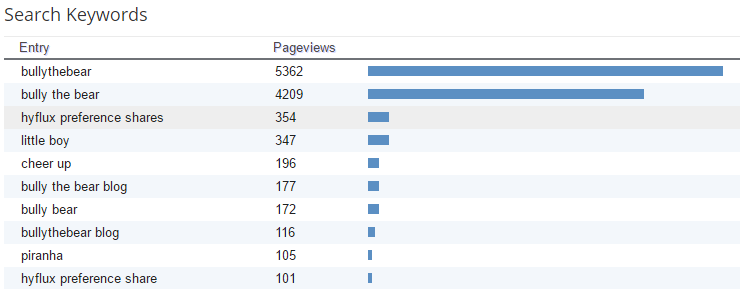
3. Most of the search keywords to get to my blog is through the following:


Bullythebear must be quite a trademark for my blog :)

Reflections 

1,203 posts over 10 years involves a lot of my life energy. If each post needs 1 hr (bloggers should know it takes longer than this in general), I've spent 1,203 hours already. I think it's not weird to say that this blog is part of my growing up, maturing and evolving process. Each year is like the chapters of a book, with an appropriate title to reflect the underlying theme of that year. Let's have a look:

2006: The birth of the warrant price

This is where it all begins. Unfortunately it wasn't a good start to begin my investment journey. I started on warrant trading. "Trading" is too good a word to use here, since I don't know any technical skills by then. It's just rumor mongering, hoping and mostly just whacking. Almost all the posts here are about my warrant trading. It's not a good start, but it's still my past. I like to think that it continues to guide me in my decisions and choices now. There's a few interesting ones, like the first announcement of the Integrated resort (IR) here. Some of the younger folks had been born with the IR already built! I still remembered the intense debate over this thorny issues, and how it's going to impact the financial market, especially with regards to Genting stock price.

2007: Death of the prince heralding the dark ages

As I read more about warrants, and realized I know next to nothing, I eventually stopped doing it. Luckily it didn't wipe off my accounts (in fact, I made a small profit). On hindsight, that should be a sign that I should be stop punting, because if a newbie like me who knows no TA can make money by trading warrants, who the hell is going to buy up the market next? STI went up to 3665 as I blogged about it here, and I think after 10 years or so, STI still haven't reached that maniac level yet. I participated in my first rights issue this year (Pac Andes) and bought quite a lot of construction stocks because it's fashionable to do so. Lian Beng, Yongnam, CSC etc, I have it all. This year is also the year I cut losses on Longcheer after averaging again and again. I went into depression for a month. Work brought me out of the dark gloomy days. On hindsight again, it was one of the best periods of my life. It realigned my values and priorities so that I can have a much better attitude in life now. Everyone should have controlled depression once in their life.

2008: China milk soured, Ferrochina rusted and Hongguo hong kan-ed.

I started dabbling into value investing, at least my version of it. I spent the next few years reading intensely about accounting and all the various classics of investing. I thought I know a lot and I invested in s-shares like china milk and hongguo (I have a lot of post on the fundamentals of it, eventually it was taken private at a slight loss to me). Ferrochina killed a lot of people too but thankfully I wasn't in it. I sold a lot of my construction stocks when I realised there are cyclical in nature. I think this year and the last I trimmed a lot of nonsense in my portfolio. I was so into investing that I compared my discipline of engineering with the concept of margin of safety in this luminous post here. Looking back now, I feel like a headless chicken going everywhere the crowd is going. If investing is the right way to go, I'll go there too.

2009: Self discovery

I realised that investing is not for me. I could never have the depth of understanding with regards to accounting and investing as others, nor do I have the interest. Instead of following what others are telling me is the right thing to do, I discovered what my strengths are and what my weakness are. I started leaning less on investing and more towards technical charting again. In this post, I talked about how the pull of investing and TA made me go towards a zone where things are not so grey. More hybrid and dual class rather than single class. My philosophy towards the market gets clearer from that post onward. After a series of setbacks, I also started to rethink about the ambitious goal of setting 15% returns per year. I blogged about it here. I chuckled when I see some of the younger red-blooded bloggers wanted to reach this 15% pa goal, and I think whether they would also, in the future, change their stance. We shall see :) On a personal finance side, I think this year is the watershed year where I started on my 50k savings challenge. It started from here and I blogged about it here after I've completed it. I'm a lot more pig headed on my 50k savings challenge back then, with all the bravado "Whatever it takes, for as long as it takes". I smiled broadly when I read that post. Oh, if only the youthful me knows what I know now , haha

2010: When two becomes one

This is the year I got married. I had wanted to do something sweet for that special day and I chronicled it here. I was stressed up with the whole thing, and also had to relook at some of the values and principles that had brought me thus far. I shared this interesting post regarding the burden of supporting one's family. Kids? I also thought deeply about that issue, especially after seeing so many people having kids but not knowing why I wanted to have one. This issue is especially relevant since our new family member is coming very soon now. I blogged about my concerns here and I think I will get back to that question to answer it from another perspective. Wait for it :) There's a post that I will likely not forget too- it's so bad that my readers and close friends starting messaging me asking if I'm well. It's this post that started it all. On an interesting note, Sabana and GLP IPO this very year. After nearly 6 to 7 years, Sabana had gone down the drain and GLP huat until no horse run. As the running joke goes, when you invest, make sure you buy only companies that goes up. If only we knew in advance!

2011: The march towards financial independence

This is the year that I started reading heavily on financial independence. I guess I've sorted out the investment philosophy (blogged about it here) by trying out both investing and trading, hence it's time to move towards the bigger picture of the 'why' in investing. I saw a paper trade of Singtel here, and the price was 3.05 thereabouts. I've set a target price of 3.19, so even if I had made the trade and made the profit, it's not going to play a big part towards my financial status. They key is in the longer term, bigger percentage gains over a long period, which is what investing should be about. But even so, unless I invested a huge chunk of my networth in it, it ultimately wouldn't affect me much too. The one thing that can affect my financial status is really just plain ol' work. That is an important realisation after so many years of trying to fight with others in the market. On the global scope, this year is where there is such a major earthquake in Japan that the nuclear plant suffered meltdown. This is not the only that that melted down; Nikkei responded by melting down 10.5% as well. See it here.

2012: Deep inside the rabbit hole

This year I hit a rough patch in blogging, and throughout the year, I only managed a total of 24 post, which is about 2 a month. I blogged about how the local pool of bloggers started dropping one by one, and I wondered if this post is going to be my swan song as well. I got really sick of my 50k challenge as well, because suddenly I don't have a reason to save anymore. That was about the time I moved into my new home, had very little work and suffered some business losses. Goodness, if I can go back in time to tell the past me, I'll tell him that good times are going to come soon, just bear with it! This year is the year where I explored my existence and wondered why I am doing what I am doing.

2013: The phoenix re-born

I broke through the rough patch in year 2012. This year I started investing for my parent's retirement funds. They initially just wanted to put in a fixed deposit, but I'm sure I can give better returns than that, hence I gave them a guarantee on their capital and also guaranteed their minimum returns. This is also known as LP's bond, and I chronicled many posts in the blog, starting from this. In the process of finding out about the allocation of their portfolio, I investigated deeply into STI here and found out that among other things, the probability of losing if you invest over 14 yrs is really really low. The average return is 8.8% pa, with median of 6.6% but with a sd of 29.1%, so that result might not mean much. I blogged about death and dying here and how my wife should act if I'm gone suddenly. This happened after lunch in a subway outlet. We might be great at investing, but our spouse might not be, so it's important to make things as simple and as stress free for them as possible. I started having a reason to save up again, and had wanted to save 30k at first (I didn't hit it, I saved $25k). I shifted a new paradigm and model of work, where students come over to my home for lessons instead of me going over. I had no idea how it will be received by them. It was a year of trepidation and anxeity, but also a great sense of peace and calm over because I know had a very good idea that I really like my work. Every time I have an existential crisis, I come out stronger and surer than before. A phoenix dies and is reborn from the ashes. On a personal finance note, I started using YNAB (you need a budget) to sync my expenses tracking with mobile and desktop easily. Never looked back to my trusty spreadsheet since.

2014: The fire of the phoenix burns brighter 

After 2 years of in the dump for my work, I started getting the right mix of students who are willing to come over to my place for work. Because I don't have to travel, I can squeeze in more work hours and my income and savings exploded exponentially from this year onwards. I started kungfucatsacademy (blogged about it here) and even have a service standard for my tuition lessons (here). This whole exercise of starting a website for my tuition services makes me think and clarify the kind of work that I want to do. I started having fun with blogging again, and wrote a new series called short stories, where I wrote poems, short stories and lyrics to write about my thoughts and feelings. The first of which is a short story called An Empty House. After my clarity in my investment philosophy and the new found clarity in my tuition, I began to dream again. I set up near term plans and goals here, and even up to now, I'm still working on them. This year I broke my 50k savings goal and saved 68k,while skipping to work with a playful smile.

2015: Channeling the mana 

Started on spiritual journey and challenged myself to 100 days of meditation here. I began reading about all sorts of mantra and religious texts to discover the spiritual side of me, something that I've not explored till this far. It start off a series of exercises that began with meditation, eating healthily and intermittent fasting. What an amazing journey, and I must thank our founding father LKY for introducing meditation to me in his interviews. This year is also the year where many retail bonds started listing in the market, like Aspial, Oxley and fraser centrepoint ltd. Most of the post I've blogged about them ended being the most read posts in my blog, so there's immense interest in them. I must re-share this poem about realizing the value of our time here. Do you know what's the value of one year, of one month, of one hour, of one minute, of one second and one millisecond? Read it to find out.

2016: When two becomes three

I closed off the first tranche of my parents's investing, called LP bond that I started in 2013. I blogged about the returns here. I also updated my goals and streamlined the process in which my savings are chanelled to. I still haven't resolved the issue of what to do with my savings - to invest or to pay off housing debt, but at least I'm doing something that hedges both. You can read it here. I discovered Investingnote (here) and it changed how I handle my charting homework that I do almost every week. I'm still amazed at the kind of things that is shared over there and I'm glad I can learn a few tricks here and there shared by the generous bunch of folks there. For the very first time, I also shared my method of counter-trend trading here. I realised that most traders are trend followers and counter trend is about as different to trend trending as trading is to investing. This year is also the last year where me and my wife is going to spend Christmas together as a couple :)


Conclusions

I think not a lot of bloggers can boast having written a reflection post after a decade long period of blogging, haha! There is so much more that is left unsaid, and this is just a copy of a copy of a copy. While bullythebear is always here, my cbox had always been around. There are regulars in the cbox whom I've met and become friends through our various meals together at Beng Hiang, some of whom even attended my wedding. While some had come and gone, at least the memories of having fun together still stays in my mind. Thank you to all the readers, some of whom have gone on to start their own blogs, to all the cbox regulars and irregulars, even to the troll who really hate me but still loves to comment, thank you all for adding colour and texture to my life.

May there be more 10 years to come!

Monday, January 02, 2017

Reflection of year 2016

I think it's important to take stock of what had happened in 2016 and then reflect on the various pillars that make up my life. Let's have a look:


1. Finance

As a financial blogger, this naturally comes first. I'll break it up into two parts, personal finance and portfolio. In 2016, I pushed through my limit of how much I can work in a day. I didn't exactly plan to make a record breaking year, but things just happened this way. As a result, I worked in excess of 45 to 50 hours a week, and that's just the normal non peak hours. This included a 14 hours work on sat that takes me from 8am to 11pm (1 hr for lunch + dinner). I'm glad it's over, but because of the huge amount of work hours, my savings for this year also hit a record high of 70k+. No pain no gain I guess? With regards to expenses, nothing much had changed, except that now there is a new category of expenses labelled under 'Baby'. I think this will take front center stage for expenses in 2017. We shall see.

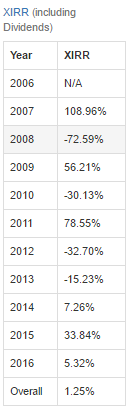
Portfolio is doing well. Since I started using sgxcafe, I've been tracking my XIRR through their site (I don't calculate xirr on my own). Here's my result:


2016 is an okay year I guess. I'll do more of what I do in 2014 to 2016 and less of what I did in my earliest years. I realised that as long as I don't have negative xirr (or too many negatives), I'll do fine. I think that's why Warren Buffett must be talking about when he says we shouldn't lose our capital. But enough of that, that's another story another time. Portfolio size increase to an all time high this year, with an estimated $700+ dividend income per month in 2017. It looks like my goal of reaching $1k per month dividend income is coming nearer.

Verdict: 5/5

2. Mind

If food is the nourishment for the body, then books must be the nourishment for the mind. I read 40 books this year, a little short of the usual 52 books a year target. I know it's not because of a lack of time - I can definitely squeeze in the time if I wanted to. I'm a little pre-occupied by games in 2016, so that is the true time waster. If I have to justify for this lack of reading in 2016, it's likely because of the long hours of work, so I'm doing something else to take my mind off it. I guess the last thing I want to do after dealing with mental work is to do more mental work by reading.

I bought the Koss Porta pro classic ($74.10) right at the start of the year. I wanted to get it because my speakers back then are failing and I need a pair of headphones to compensate. But my speakers did fail eventually, and I had to get the Logitech Z623 speaker system ($188.90) to totally replace the system. After that, I stopped using the Koss porta classic headphone. It seems trivial and that's how life is like. If you don't solve the issue, and find temporary solutions to solve it, eventually you'll waste more time and effort and you have to solve the initial problem again. I'll bear this lesson in mind.

But I'm generally happy with how my spending is. Most are aligned with my values and I don't find myself too fixated on the monetary part of the spending. I think if my mind is not ready for financial independence, I'll never be, regardless of how my actual finance situation is like. So for me, the problem is with letting go and not controlling so much on the money aspect. I think I did well on that.

Verdict: 3/5 (3 for failing to hit target for reading)

3. Body

I started the year doing my usual pull ups / push up. It came to a point where I feel I'm pretty strong. My system is to do either 30 pushup (standard but proper form) and/or 30 pull ups in a day (I've a pull up bar at home, so I do as many as I can throughout the day until I hit it. Overgrasp, wider than shoulder width). I consistently did that until about June/July period where I was down with severe diarrhea and stomache/vomiting. It lasted for a good month or so and totally killed off my momentum. I haven't been exercising regularly since.

On the diet side, I'm eating fruits every day for breakfast and every other week or so, I'll eat fruits for lunch too. Carbs I've reduced to half the usual portion (half a bowl of rice or lesser). I'm practicing intermittent fasting also, and all my bloatiness after eating carbs is all gone. That's really fantastic. At first, after starting to eat just fruits, I felt weak but still alert. After getting used to it, it's actually quite comforting. I think I've removed one huge paradigm of thought, that we don't have to keep our stomach filled all the time. It's amazingly liberating.

I'm stopping and starting a new regime of climbing up the stairs. I live on the 22nd floor, so will be doing to 13th floor and then up the lift from there. I do it every time I go up to my home, so that's minimally twice a day. We'll see how it catches on.

Verdict: 2/5 (failed exercise routine)

4. Spirit

I stopped the meditation challenge where I meditated everyday for 100 days. It ended in early Jan in 2016 and I thought it was the most powerful act I've ever done in my life. The effects are lasting and it helped me to overcome the urge to stay in my emotional state. For example, if I'm angry with my wife, I can last for a week to a few days in the past. My mind will start having fantasy argument and if she said this, I'll say that and all. These days, I recognise the onset of a bad emotional state, and re-wire it away as soon as I can. It's like you saw the bullet coming in, then you just avoid it away, so there's no need to deal with the wound and all that. It's fantastic.

One of the highlights of 2016 is to take extreme ownership in whatever I do. It helps me to go through lessons where the student is extremely irritable to me. I'll question and rethink what I can do to make the situation better rather than resign to fate. I can always do something about it.

If 2015 is a year where I began meditation, then 2016 is the year I began fasting consciously and taking control of my food choices. I think these practices creates a lot of mental clarity and sharpens my mind.

Verdict: 5/5


Good work! Attack of Takeshi castle - SUCCESS!

Saturday, December 24, 2016

The year 2016 in terms of books read

It's becoming clear as we move towards the end of 2016 that my target of reading 52 books this year is not going to happen. Not going to give any excuses for not being able to do so, it is just as it is. As usual, I'm going to list down all the books that I've read, then I'm going to recommend a few good ones that forms a deep impression after reading.

Here's the list of all 38 40 (updated 28th Dec 2016) books that I've read this year:

Alibaba: The house that Jack Ma built - Duncan Clark
The new sell and sell short - Alexander Elder
Living with a SEAL - Jesse Itzler
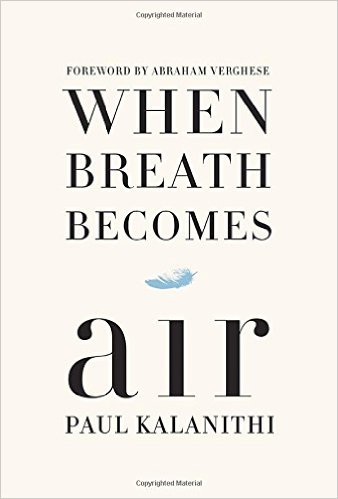
When breath becomes air - Paul Kalanithi
Continuum concept - Jean Liedloff
Asian Godfathers - Joe Studwell
Pregnancy: for the first time moms - Darrell Spice
Hard truths to keep Singapore going - Lee Kuan Yew
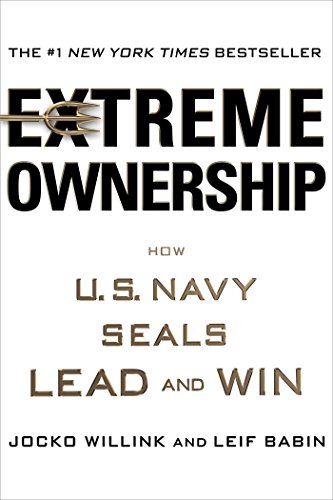
Extreme ownership - Jocko Willink & Leif Babin
Choose yourself - James Altucher
Gorilla mindset - Mike Cernovich
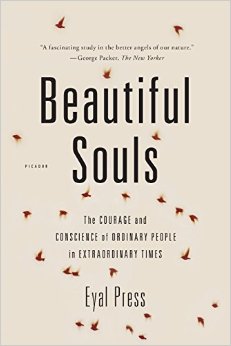
Beautiful souls - Eyal Press
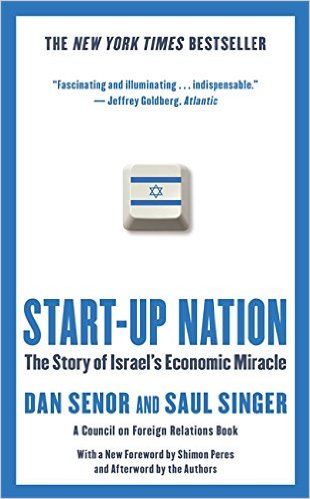
Start-up nation - Dan Senor/Saul Singer
Concierge confidential - Michael Fazio
What money can't buy - Michael Sandel
It's only money - Cara MacMillan
Real Food / Fake Food - Larry Olmsted
Be financially free - Morten Strange
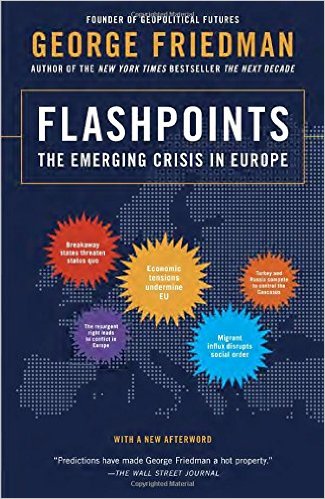
Flashpoints - George Friedman
The monk who sold his Ferrari - Robin Sharma
Left behind 01 - Tim Lahaye, Jerry Jenkins
Dietland - Sarai Walker
The money culture - Michael Lewis
Absolute beginner's guide to pregnancy - John Adams, Marta Justak
The Happiness Equation - Neil Pasricha
The Infinite Sea - Rick Yancey
Forever Free - Joe Halderman
The art of Procrastination - John Perry
Forever Peace -Joe Halderman
The Forever War - Joe Halderman
Fahrenheit 451 - Ray Bradbury
Bartleby The Scrivener - Herman Melville
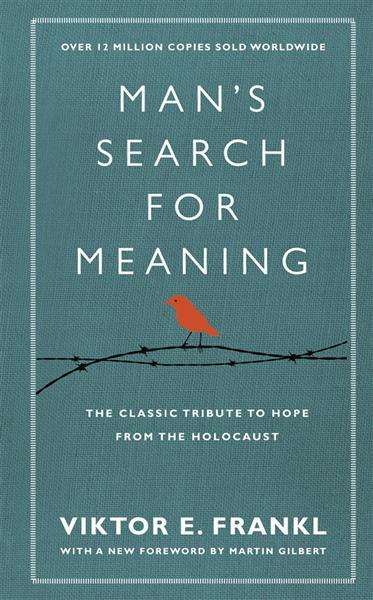
Man's search for meaning - Viktor Frankl
Do androids dream of electric sheep? - Philip K. Dick
Portfolios of the poor - Daryl Collins et al
Gang leader for a day - Sudhir Venkatesh
The ultimate success secret - Daniel S. Kennedy
The education of millionaires - Michael Ellsberg
Way of the peaceful warrior - Dan Millman
Money: Master the game - Tony Robbins

I can probably squeeze one book book or two before the year is up, but that is pretty much it. Not in any order of preference, here's the shortlist of 6 books that I think are crucial in my personal development:

Portfolios of the poor - Daryl Collins et al
Man's search for meaning - Viktor Frankl
Flashpoints - George Friedman
Beautiful Souls - Eyal Press
Start-up nation - Dan Senor/Saul Singer
Extreme ownership - Jocko Willink/Leif Babin
When breath becomes air - Paul Kalanithi


1. Portfolios of the poor is so good that I can't help but post some sort of reflections while I'm still half way through the book. You can read about my post here. It talks about the financial statements (balance sheet and cash flow) of those who are living wit 2 USD per month or below. No other books I've read talks about the portfolio of the poor and their apparently bad choices in life like this book. I think while it's important to read the majority of the books out there that talks about the portfolio of the rich, it's also important to examine the other side. After all, both cases are extremes and likely we fall in between these two.


2. This book is on so many people's recommended list that you just have to read it to see why. He is a logo-therapist who survived the Holocaust and found that people who suffered needed meaning to understand why they are suffering. Everyone can take suffering, as long as it serves a greater purpose, but nobody wants to take meaningless suffering. It is a very engaging book and is a page turner for me. Beware, because once you started on this, you  might just want to quickly get to a quieter corner to devour this book in its entirety as soon as possible.


3. This is a sequel of the book "The next decade" also by the same author, and I thoroughly enjoyed it. This continues from where he left off and focuses more on the EU region and where the conflict areas, known as flashpoints, are in the region. I read this around the Brexit saga and it allows me to understand the different scenarios that might be played out. This is a very interesting book if you're interested in the global political scene that is happening right in front of our very eyes. What will happen to Russia, and to the different countries that made up the EU? How is Turkey going to navigate the scene, being sandwiched between Europe and the middle east?


4. This is a brilliant book recommended by Sillyinvestor. It is collection of stories that portrays real people displaying extraordinary courage by rising above all others to do what they think is right. The author infuses each story with some comments on how difficult it is to go beyond the social rules of the group and act what is right. There is a story of an immigration officer who allowed fleeing Jews into Switzerland, a guy who did the right thing in the conflict between the Croats and Serbs, an israeli soldier who refused to follow orders and a whistle blower in corporate America. It's a very light reading but with a very heavy lesson behind all the stories - when it comes to your turn, would you sacrifice personal gains to do what is morally right?


5. What's wrong with Singapore's education system? How come we don't have a start up culture here, compared to other countries? Israel is one of the most war torn nation surrounded by hostile countries who loved nothing but to see the downfall of their nation, but it still produces a lot of companies that brings so much innovation plus patents that drives technological advances globally. This book explores some of the things that went right for Israel. There's a lot of references to Singapore as a comparison to Israel, so the locals here might find it very relevant. I think any parents or teachers with a stake in educating our next generation will find this book extremely relevant and thought provoking. 


6. Two SEAL officers come together to give business consultation to companies by applying what they've learnt in their combat training and experience. I thought it'll be pretty cheesy, but it's surprising relevant. Every chapter they will illustrate some exciting combat situation and how they navigated through all the screw up and potential dangers and emerged victorious. And after that, they will apply this story to one case in their consulting work, followed by a summary of the lesson. One concept of extreme ownership is what I'm trying to practice after reading it. It's about how everything and anything that didn't go according to your plan is your fault. If my student is not motivated, it's my fault. If my student didn't do well, it's my fault. If my student wanted to leave the tuition, it's my fault. It might be a little harsh, but it empowers me and gives me the ability to change my environment, rather than to give that power away. One of the best self help book I've read this year in 2016. Don't take my word for it, go and read and see for yourself.


7. After reading Viktor Frankl's book on Man's search for meaning, this book seems like accompanying book. While Viktor's book is more philosophical and theoretical, Paul's book is much more practical and it feels that the author is showing us how to lead a life full of meaning even though he is suffering. I think there is a great deal of lessons we can learn from him. This book can be read easily and is a page turner, so be prepared to sleep late at night once you've started on this book. Be warned. You might even cry a little at the end of it all.


In 2017, I'm going to have a major change in my status. I'm going to be a father! I wonder if that will derail my target of 52 books a year. Probably so, but we shall see. As it is, I still intend to read, but I wonder if this is just fantasy on my part haha :)

Two new systems to change my life

I usually spent the last few days towards the end of the year to do some serious reflection on the practices and the system that I used for the entire year, to see if I can improve it or fine tune it further. I will share two systems that I had recently been implementing that I think will streamline my thought process for further reflection at the end of the year. The first has to do with trading, and the second is more to do with my line of work.


Trading system

Problem: 

In the past before I started using Investingnote in 2016, I have a huge issue with remembering the homework that I do with the charts. The problem is that the charting software I'm using only allows me to save x number of charts. And to add to the problem, it sometimes hangs and all the saved data is gone, including my watchlist. That is extremely frustrating. Due to the lack of a proper system to jot down my thoughts when I'm doing my homework, it becomes highly discretionary. There are situations where I had forgotten some charts that I'm eyeing at, and so missed the opportunity to act on it. The more important thing that is problematic is that I lack a feedback system to tell me if what I'm observed weeks or months earlier will play out as I predicted. This resulted in a very chaotic learning system. This problem is compounded by the fact that POEMS do not have the good till date order system. All orders will be cancelled by the end of the day. It makes planning a trade nearly impossible for me.

Solution:

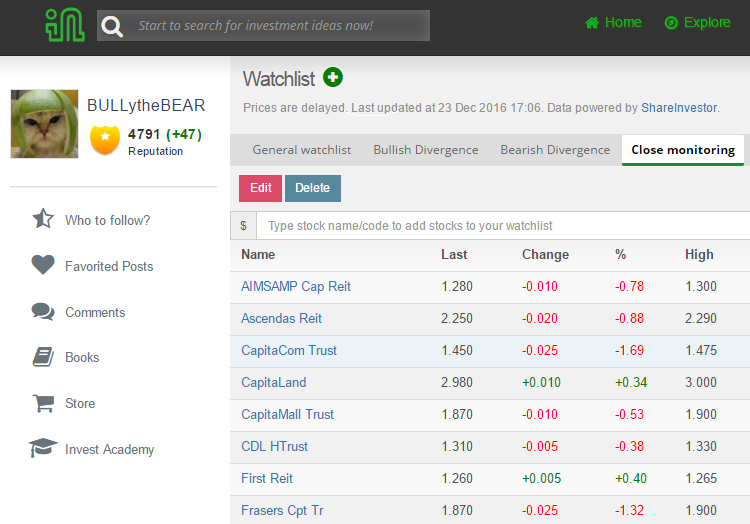
Since using Investingnote, I started developing a system where I can track the homework that I do. I have four watchlist:

1. General watchlist
2. Bullish divergence
3. Bearish divergence
4. Close monitoring

The first watchlist (General watchlist) is a collection of companies that I've heard about and is interesting to me at that point in time. Usually this consists of roughly about 2 pages worth of various companies from different industries. If I hear or read about anything interesting, this is the watchlist that the company first get stored under.

The second watchlist (Bullish divergence) belongs to a collection of companies that I think will have a potential to go up. Because I'm looking at daily, weekly and monthly timeframe, sometimes the signal might take a while before it happens, so this is a place where I will check on the chart every weekend. During market extremes (usually a fierce market selldown or euphoria), I might even check it every end of the day.

The third watchlist (Bearish divergence) belongs to a collection of companies that I think will have a potential to go down. This is simply the opposite direction of the second watchlist.

The last watchlist (close monitoring) is the one where immediate action needs to be taken in the next trading week (within 5 days). This is where I will check intraday (the charts from investingnote are live intraday!) and also end of each trading day. Queue orders will be submitted if I think a trading signal is satisfied.

Having a watchlist is not the end point. The key thing is that after every round of homework towards the end of each trading day or trading week, I'll shift them around the four watchlist. Sometimes counters in the general watchlist get shifted to the bullish divergence one, and after some time, they get 'upgraded' to the close monitoring for further action.


The advantages of this system is that:

a. I don't need to waste time looking at all the whole universe of counters to sieve out the ones that requires my immediate attention. Within each trading week, I'll zoom in straight to the 'close monitoring' watchlist and see if I need to do any actions.

b. I can learn if my system works through the follow up of signals because I have a system that allows me to track them over a period of time, upgrading or downgrading them when they occur. This allows me to finetune and improve my observation skills required in my technical charting skillset. I probably learn a lot this year than in the past 5 years!

c. I can tell if the market is turning by looking at the collection of companies in the bullish and bearish divergences watchlist. Currently there is nothing in my bearish divergence watchlist and most of the reits are in my bullish divergence watchlist with many of them upgrading to the close monitoring watchlist. There was a time almost all the reits are in the bearish divergence watchlist. You can see and feel the market movement better this way, including rotational sectorial plays.

d. Time savings. Since I don't waste time tracking things that are not immediate and urgent, every end of trading day homework takes less than 10 mins to do. End of trading week homework takes a bit longer since I have to browse through all the companies in all the watchlist, but that takes at most 30 mins. I feel much more efficient and because just like in an emergency room, this system acts like a trading triage that classifies different counters according to their immediacy and direction.


Why the heck didn't I think of this earlier? I think part of the 'excuse' that I had is that the technology to make this system work is not in place yet. I'm going to continue doing this and finetune it.


Student relationship management system

Problem:

I have quite a number of students in any one year, and I have a pen and paper notebook that I write on after every lesson, detailing the dates of the lesson and also the things that I did after each lesson. The point of doing this is to allow me to reflect after each lesson had finished and also to allow me to remember which point I am in the teaching of the syllabus. The problem here is that because my note book goes page by page in a weekly format, I can see each week which students I had for the week, and the lessons I had with them, but I have no way to see in a page what topics had been covered by me for any one particular student. To do that, I will have to browse through all the weeks before by flipping my notebook. This system had been working well for me for over a decade, but I felt that I could improve it further. I could add a section on the homework that I've given, plus the difficulties faced by the student doing that homework (this I had never captured before in my current system), and also what to do in the following section. I can't do this like a NIE teacher with a prescribed lesson plan because each student comes to me at different foundation and at different times, and I have to address all the issues that they face within a set period of time before they sit in for their exams. With 20+ students, that has always been problematic. I need a proper student relationship management system.

Solution:

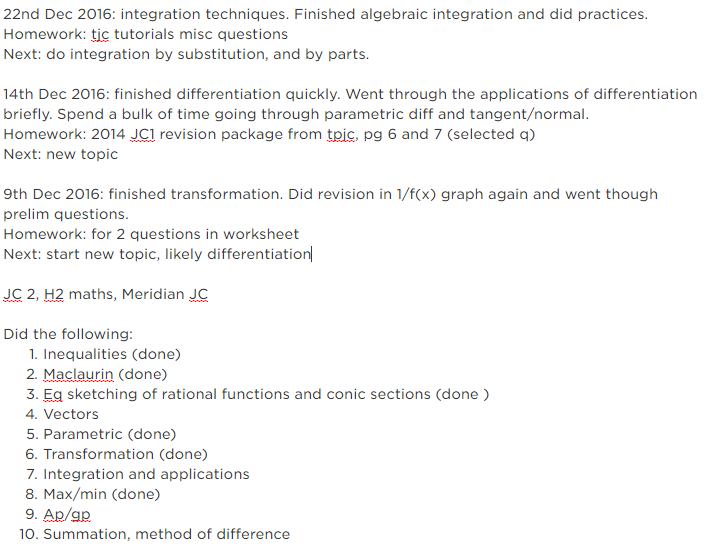
The solution is really to digitize my notes. I've been using Evernote for that purpose. Under a notebook called 'Students', I write down a brief profile of the student, including the chapters that they had gone through at that point in time before taking my lessons. It will also include the list of chapters that I had covered with the student. After going through a lesson with a student, I'll write my usual handwritten note on my notebook. When I had the time towards the end of the day, I'll key into Evernote a detailed lesson reflection. This includes the date of the lesson, the type of questions the student had problems with, the exact things that is taught during that lesson, the worksheet given. Under the reflection, there will be a line where I will include the homework given. Under that line again, there will be another line where I will write down the things that I will do in the following lesson


The advantage of the system:

I tried to be rationale and list down a, b and c of all the advantages I can think of. I gave up. In truth, there's really only one reason.

I have an excellent memory, up to 2 to 3 weeks, for all my 20+ students that I had in a year. But as I'm getting older, my memory may fail me. I might forget what I've covered with my students, especially after a long break (say 3 weeks or more). I don't want that to happen. In the past, I'll just ask my students, but now I want to have a journal log of what I've done. This will allow me to track everything through all the lessons I had with the student.

On a more sentimental note, it's also to remember that I had gone through all these things with my students.

Just this week, a student came in with a black face. I knew something isn't right and I asked him about it. He just mentioned he had family issues (I guess it's a quarrel with the parents), so I reduced the stress level heaped onto that student. Start to talk a little more to get him into the mood of doing and I also forget about my usual nitpicking. I didn't write it down yet, but I suspect as I'm more familiar with this new system, I'll slowly add it in. Maybe an emotional state of the student. Maybe something interesting that happened in the lesson.

Last year I had another student. He is in NA stream, and I think he is the best learner I've ever seen. He just devours everything he can find in a topic that he is interested in. At that point in time, he is interested in making bullwhips and he searched the internet, watched countless youtube and made his own whip and practiced in it. He knew all the theories and science behind the cracking of a whip. All these will be lost if I didn't record them down.

Is there really an advantage to this system?

Yup. I use my time and life-energy to do the work that I do. The time that I spent with my students ought to be remembered like a treasured faded photograph with my family. I don't want to reduce my students to a grade, or a name. These are living breathing little humans that are learning how to navigate the world. And it's all too easy to forget that while we're trying to earn a living through our work. I don't want to lose that part of it and throw them away. This is what makes my work meaningful and it should stay that way. THAT is the advantage to this system.

Wednesday, December 21, 2016

Sabana Reit 42 for 100 rights exercise

Sabana just announced a rights exercise. For every 100 shares that you have before XR, you're entitled to 42 rights shares priced at $0.258. Based on their track record, I don't think it'll be well received.

I once bought Sabana reit at 0.960 back in Nov 2010 and sold it at a 0.910. After dividends, thankfully I still make a very slight profit of 0.7%. I told my wife to get rid of it too. From then, the share price just went lower and lower until it hits 0.435 today. Imagine a 50% loss but with a yield of 8 to 9% pa! The dividend is not going to be enough to cover the loss in capital.

There's quite a few people asking around on what to do with their Sabana reits. I think we can safely classify into 2 types:

A. Those who had shares in this
B. Those who don't have any shares but wanting to get into it.

I can tell you frankly, rights issue is going to benefit people in group B more than group A most of the time.


Don't slip on this slippery banana skin

For people in group A:

1. You can decide on a fundamental basis whether you want to sink in more money into this or not. If you don't want to, you should sell it as soon as possible and close off the case. It'll be silly to subscribe to the rights and put more money, and after XR, the price likely will go down lower and wait for extended periods before going up again. If you're okay with this, then go ahead and subscribe to the rights entitled to you and apply for excess. This will lower down your average price and hopefully it'll come to light one day.

Do look at this post here. Most of the companies that issue right will recover back to the price before announcement of rights exercise between 1 month to 1.5 years. That's just based on statistics on a small sample size. So take it with a pinch of salt.


For people in group B:

1. You can buy nil paid rights during the trading period for the rights shares. But remember, you do have to go to the atm to subscribe (and pay) for them, otherwise they will expire worthless. There could be arbitrage opportunities when the difference between the nil paid rights and the mother share is not 0.258.

2. You can buy the mother shares before XR, get the entitled rights and then apply for a lot of excess rights. This way, you might get a lot more excess rights than the prescribed ratio of 42 for every 100 shares, so you might end up with a lower average price.

3. Buy after XR. Since you have 1 month to 1.5 yrs before the price recovers, you'll have plenty of time to pick and choose a right point to enter.


After the change in lot size from 1000 shares to 100 shares, things need not be so complicated anymore. I'll just go for strategy (3). I'll be looking at this to see if I can get just one more puff out of this used cigarette.

Saturday, December 17, 2016

Somebody staring at me

I wore a new t-shirt out today and noticed a few people, especially the guys, looking at me. I know because I saw their eyes trying to read what my t-shirt says. I took a selfie of myself and here's how I look:


Yeah, I know my face is something that comes out of a horror film. But really, I think it's my t-shirt that these people are looking at. I think my t-shirt is a good conversation starter. I'm wearing it for work and hoping one day my students, out of curiosity, would ask me what Financial Independence means. I'll be all prepared and ready to deliver my heart wrenching, inspirational speech about financial freedom with the soundtrack of Braveheart in the backdrop.


Here's how my fantasy reply goes:

1. I'll ask what they think financial independence is all about.

2. I'll ask them for some reasons why people work.

3. I'll ask if they had ever done anything that they will gladly do for free because it's exactly how they would spend their leisure time on

4. I'll ask if they would want to be able to do things like that for the rest of their lives

5. I'll ask how they would feel if I can show them a way where they no longer have to work for a living, and have all the freedom and time to pursue what they want to do (cue for Braveheart music)

6. I'll sell them a series of video links at $99.99 each and be freaking rich

6. That's what Financial Independence is all about.

7. Students leave my place, all teary but inspired. Each step they take take sparkles with the fire of passion. Each breath they take fills their lungs with air and purpose. Each heartbeat sends positive energy and optimism that vibrates throughout their body. Sounds coming out of their mouth are like angels singing. Light entering their eyes are rainbows brightening their vision.


Nah, most likely my students will mouth out an invisible huh, and proceed to play with their handphone on their way out, with me screaming at their backs to remember to do their work for the next lesson. Or they wouldn't even ask because their curiosity about the world had been deadened by the burden of the school. I bet they wouldn't even ask where I got my t-shirt from.

It's okay, perhaps my readers will ask. Or perhaps one day when my students are ready, this blog will be here for them.

Monday, December 12, 2016

Closing off a tranche of LP 'bonds'

I handled my parent's portfolio since end 2013, and I'm still handling them now. Recently, my parents wanted to withdraw out 40k. My parent's portfolio is handled in tranches, according to the timing where they gave a lump sum to me. Since the first tranche of money is 50k, and the portfolio also consisted of Capital mall asia bonds (CapmallA3.8%b220112) that is going to be redeemed back in Jan 2017 (here), I decided to cash out the entire portfolio and return it to them.


When I first started out, the options are pretty limited. I looked back at my older article here on the philosophy behind the allocation. The fixed deposit for foreign banks are giving 1.25% pa for 2 years, while the local banks are giving about 0.55% for the same period. Now, the rates for local fixed deposit for 2 yr is doubled, at 1% pa. For POEMS money market fund (MMF), it was 0.5% pa in end 2013. Now the MMF is giving a return of about 0.9% pa and still rising. You can see the macro environment changing over the last 3 years. There isn't even a singapore saving bonds back then. If it's available, I'll definitely consider putting some money in it since it satisfies the criteria of handling my parent's money, which is a guarantee on capital and also a higher than fixed deposit return.


And so I did the allocation of the 50k. The terms are laid out in this post here. I'll summarise the gist of the terms here too. It's like a bond, with a fixed yearly yield of 2% pa, no fixed duration or maturity period, and I will guarantee that their capital will stay intact when they want to cash it out. So the actual instruments I used to achieve this aims can be found in this post here. Mainly it's pref shares from banks and high quality retail bond. There is a change in the portfolio because the pref shares from OCBC bank (OCC 5.1% NCPS 100), was redeemed back in Dec 2015, which I've mentioned in this article here. The portfolio didn't lose money, but it affected the returns because of the unexpected earlier redemption.


I took the money and reinvested in Frasers centerpoint ltd bonds (FCL Trea 3.65% b220522), and that's all the transactions there is until today. Let's see the returns over the 3 year period where I handled the money.


Initial capital: $50,000
Date of inception: 27th Dec 2013

Total brokerage fees in buying/selling: $342.13
Percentage of brokerage to capital invested: 0.68% total or 0.225% pa
Total amount of dividends given out: $2,000
Cash retained in portfolio: $3,881.43

Current value of portfolio (all in): $53,402.43
Total portfolio returns (inclusive of paid dividends): $55,402.43
Date of closing: 12 Jan 2016 (that's when the capital from the redeemed cap mall bonds will be returned)

Absolute profit: $5,402.43
Percentage return: 10.80%
Time period of handling portfolio: 1112 days
Average returns per year: 3.55% pa


That's fantastic, in my own opinion. I beat the Singapore savings bond over the same period of 3 years. Even at their best of 2.78% per year over 10 years (Issued in Nov 2015), their 3 yr average return per year is 1.48%. Their Dec 2016 issue is worse. At 1.87% per year over 10 yrs, their 3 yr average return per year is 1.03%.

Shit, I should just take a cut of 0.7% pa of NAV, as 'management fees' over the last 3 yrs in which I managed my parent's money. I'll get about $1k, and the average returns per year will drop to 2.86 % pa. Still very decent lol!


Reflections:

It had been a very good learning experience for me to start and close off this tranche of investment money. I had to think deeply about the benchmark I want to set, and also the criteria in which my allocation philosophy is based on. In addition, I also have to think about how to set aside the amount I want to distribute out so that I can retain the cash to pay for things like commission and more importantly, to offset any possible losses from early redemption from my parents and also from the inherent capital loss from buying retail bonds at above par value. In between, there is also switching of the portfolio allocation because of redemption by the issuer. I'm glad I didn't lose any money on my parent's behalf!

Sunday, December 11, 2016

I knew I loved you before I met you

I knew I loved you before I met you, so goes the song by Savage Garden. When I first heard that song, I thought it's just some mythology that some romantics had dreamed of. I don't really believe in love at first sight. Until it happened to me (okay, technically there's no 'sight').


That little kick, that little tremor, especially at night. The black and white pictures we took every other month. The vast amount of conversation we had regarding what we're going to do, and how we plan to do this and that. The huge amount of research reading we did and the youtube videos we watched.

All these for someone whom I've never met. How can it be?

I believe more and more these days that if we gone through all the various cycles of life, then we will empathize and understand why people do certain things. I think that's one of the first insight as a parent, that there are two persons in the world who loved you even before you are born. My parents, no matter how bad I was as a kid, or how naughty I am, loved me before I was born. So is everybody.

That's an incredible insight.

I'm waiting with fear and tribulation for more such experiences.

Wednesday, December 07, 2016

Where did all my savings go?

I started tallying the past records of all my savings recently. My aim is to find out where all my hard earned savings go to. Did I 'waste' a lot of my life energy, which is captured in the form of savings, into frivolous stuff? It's a pity that I only started tracking seriously in 2008. I started work around mid 2003, so those 5 years until 2007 are like my lost years


The breakdown over the years

2008: $53k
2009: $50k
2010: $50k
2011: $53k
2012: $29k
2013: $25k
2014: $68k
2015: $64k
2016: $67k ?

I haven't close 2016 yet as there's still some weeks left before the year is up, so that's just an estimated figure. To sum it up, I've accumulated about $460k worth of savings over 9 years, ignoring the lost years from 2003 to 2007 where there's no data available. It averages out to be about $51k savings every year. There are good years and there are bad years, and here is the record that I've made in the most recent 9 years.

I checked back on my past records in order to find out more about the lost years between 2003 and 2007. I should have about $100k to $120k accumulated over about 4.5 years, since I started work in mid 2003. That means I save about $25k per year during that period.


How did I double my savings rate?

On reflection, I think the best thing I did was to buy an freaking expensive whole life plan. I wasn't financially literate back then and I was like a sheep out for slaughter. If I remember, the plan will cost me about $3k every month to service, and that makes me wake up to the fact that I might be scammed. I sucked it up and took it upon myself to find out more about investments, and this lead to that, and eventually I entered the stock market to pay even more tuition fees. It's silly how I resented the fact that I have duped myself to buy such an expensive whole life plan, but years after that incident, it turned out to be one of the most important inflection point in my personal finance. It's the pain of having been scammed that made me push through the hard work to read up all the stuff needed to understand all about finance.

The second thing was that I started tracking my expenses down to the cent. In the past, I had used the old school method of keying expenses in a notebook in my mobile phone, then transfer the data over to my desktop spreadsheet. In 2012/13, I switched to YNAB and never looked back again. An initial experiment to just track my expenses fully for 1 month lead to a start of a habit that lasted for nearly 10 years now. The thing about tracking expenses to this level of detail, is that it leaves no room for mental accounting. It is what it is. I make it a point to reflect upon the data I've collected every end of the year (like what I'm doing right now), and that lead me to believe that there's only so much room to cut expenses, and so I started looking at a lot more ways to squeeze in more work to earn a higher income. This lead to a series of actions to slot in more work and up my game.


Where did all my savings go to?

Adding up all my savings in my 13 years of work, it'll amount to $580k of my life energy. Not a small amount! It was quite a shock to see the figures like that. I'll show you roughly my breakdown below. The disclaimer is that it's really a rough figure, and while I tried my best to trace out what data I can especially during those years without proper record, it's highly possible that I could have missed out a few details. My aim is just to see where my hard earned savings went to.

1. About 41% goes to my portfolio, warchest and emergency cash
2. About 14% goes to cpf
3. Another 18% goes to renovation and furnishing of my flat
4. Home related expenses like downpayment and option takes up 9%
5. 6% is lost away plus bad debts (don't ask me that)
6. Down payment of cars takes about 4% (monthly expenses and installments is under expenses)
7. Another 4% is for partial capital payment for HDB to reduce the loan quantum
8. The last 4% is just a big fat unknown.

I add up all those categories as best as I can, and it more or less tallies with the $580k, so it's fully accounted for. The 4% big fat unknown could be things like headphones, guitars, games, computers, handphones and other stuff that I now classify under 'play fund'. These are the assets that I didn't include in my networth calculation because realistically, nobody will really buy them. It should also include money spent on vacation, also one of those things you use your savings on, but never really reflected in the asset part of networth calculation.

Is that okay? I guess so. I realize I don't have a lot of bad habits financially, so a bulk of my savings is invested in assets. Housing is one big part where I might have gone a little overboard, but it's also a place where I spent a lot of my time in.


What's the difference between expenses and allocating your savings?

Savings = Income - Expenses. We save so that we can use the money in the future, for fulfillment of both short and long term goals. Some people might save up for that nice bag they wanted to get for themselves, others might be saving up for that dream car. You can also save for retirement, so that you have a sum of money to draw down years down the road. Something one off. Expenses are usually more immediate and is chronic, so things like food, bills, even insurance premiums, pocket money for parents, all these are classified under expenses for me. You can even see expenses as spending from your cash flow while allocating your savings is more like spending from your balance sheet. I'm not an accountant, but I think the concept is similar to capitalised cost. I stand to be corrected.

I generally use my savings to advance my goals in life. If I'm a company, savings are like my retained earnings. You distribute some as dividends to reward yourself, but not excessively, so that you can continue to do the same good work you've been doing. Some of it you use it to buy other assets so that it can generate future earnings. If you don't know where your retained earnings go to, then you're not utilizing it the best it should be. I will use my savings to purchase financial assets so that it can continue to generate income for me to prepare for the eventuality where my human assets can no longer generate income for me.

That's my goal and I use my savings to advance it. And that's how I intend to do so until the goal is reached.


Could I have done things differently?

My wife saw me typing this and asked me what I could have done differently. I don't usually think things like that, but I gave a few ways:

1. I would have gotten married as soon as possible and get a flat as soon as I can

The rationale is that housing prices kept going up and it disadvantaged conservative people like me. If I got into a property without ensuring a certain amount of savings first, I could have been debt free by now. My flat could have been cheaper by 100k to 200k if I had bought it a few year earlier. But we also see cases where couples getting married when both are not ready or their mindset is not aligned, so they break up before they even get the keys to their flat. I don't think I would advice anyone to just get married and get a property asap - it's plain irresponsible. My wife added that we might end up in divorce if we married any earlier, because she is not the same person back then and I'm not the same person right now.

2. Start gearing up when I start work in 2003 to reduce/remove that lost years

I took 4.5 yrs to save 100k. Thereafter, it only took me about 2 years on average to reach the same amount. Why? I was putting so much limiting beliefs on myself that I have to break it one by one. That first 100k is the hardest amount I've ever saved because I've to learn how to have that mindset through trial and error. At the end of the research needed to write this post, I am thinking how great it was if I had shortened that journey. Imagine I could have saved another 150k to 200k if I had started tracking my expenses way way earlier! This is hindsight analysis and is just pure fantasy, I know, but one couldn't help but wonder. I alone knew that certain mindset is honed by battle, and even if there is a mentor to guide me on how to gear up my work, I might have a million excuses to avoid taking action. The teacher might be there, but the student is not ready to receive, so that's that.


In summary

I'm not here to preach about savings. I already know that if the reader is not ready, he won't even be here to read this. Or it wouldn't have that eureka moment where all things clicked inside you. I'm really doing it for myself, as a chronicle of what I had done and/or what I should have done. I have my own family with a kid coming soon, and I'm doing pretty decently in a job that I really like, have a roof over my hand, have a lao pok (old and used) car to drive around, and also building up my portfolio to generate dividend income for me. There's a tremendous sense of satisfaction and achievement in seeing the long term plans fall into place through careful planning, hard work and meticulous use of my savings.

I suspect that sense of gratitude and happiness is something I can never achieve by using that savings to buy any material things. This is who I am, and this is what I'm going to be. Working hard to save up, one year at a time.


Sunday, December 04, 2016

Financial competition

Lim, Tan and Lee sat around the marble table of the kopi-thiam. They are classmates that had not met each other for the past 30 years, so naturally they had plenty to share. The conversation flowed along, interrupted only by the periodic crunch of the kaya butter toasts and the sipping of kopi-o in the quaint porcelain cups, until it came to the topic about their children.

Tan started it first when he said that his son is very capable. He is earning $100k per year at age 25 as a banker. Lim said that was nothing to boast about. His daughter is already saving $100k per year at age 22 as a property agent.

Both of them turned their heads towards Lee, fully expecting him to top their stories. Lee looked back at them, and gently put down his cup of kopi-o back to its saucer. The porcelain tinkled like a bell, as if reminding the audience to keep quiet while the curtains are rolled back and the show is about to start.

Lee did not disappoint. He said that his son gave him a million dollars just after reaching 21 yrs old.

Wow, the two of them exclaimed, unable momentarily to process all the sound that they had just heard. Tan, who started all this, naturally asked how Lee's son manage to earn so much money at such a young age?


Lee's faced was sombre.

He said that his son bought an insurance and jumped off the building.

Friday, December 02, 2016

Networth updates in 2016

Usually I'll do a networth update around end of the year, so with few blinks of an eye, we're here again after 1 yr. This year is a fantastic year for me, but I'll talk more about that when I reflect on the year 2016 and how grateful I am for the ups and also the downs. The last time I did my networth was back in 7th Dec, 2015, here.


There are so many ways to calculate networth, but I've always done my this way. It's assets minus liabilities. So, the assets part include:

1. Cash in my wallet
2. All the money in my various bank accounts
3. Cash holdings under mattress and milo tins at home
4. Money in my paypal account
5. All the money in the 3 accounts in my CPF
6. Money market fund account
7. Marked to market investment portfolios
8. Surrender cash value of whole life insurance plans

I do not include the value of my 5 room flat that I'm currently staying in, and also the value of the family car that I own.


Under liabilities:

1. Credit card bills
2. My portion of the HDB mortgage loan (total remaining loan amount divided by 2)

This year I finished the car loan of my previous car and paid up in full for my next car, so I do not have any existing car loans, unlike last year.


So, here are the tabulations:

2014: Assets: $226k, Liabilities: $220k, Networth: $6k
2015: Assets: $295k, Liabilities: $207k, Networth: $87k
2016: Assets: $351k, Liabilities: $188k, Networth: $163k

Compared to 2015, I increased by assets by about 56k. The increase in assets mainly comes from work. A tiny percentage comes from dividends and market returns of my portfolio. This is pretty in line with what I had planned, which is to add a minimum of 50k to my assets every year.

I had also decreased by liabilities by 19k. The bigger drop in liabilities is likely due to my car loan, which I had entirely paid up for. If only this is for my flat!

With that, my networth increased by 76k, which is slightly bigger than expected. This figure doesn't mean much for me, so it's just a number that tells me I'm on the right track. It had been a long while since my networth was nearly 0 in 2014!

The projection for 2017 is that my networth will increase by another 60-70k, so that will bring my networth to be higher than my liabilities. That means my assets will be twice that of my liabilities by next year. Since my liabilities consists mainly of my mortgage loan divided by 2, that means I can choose to cash out everything and pay off my HDB entirely if I chose to. But of course, I won't do that. It's still a thought though, haha


Friday, November 25, 2016

ROE vs PB of regional banks

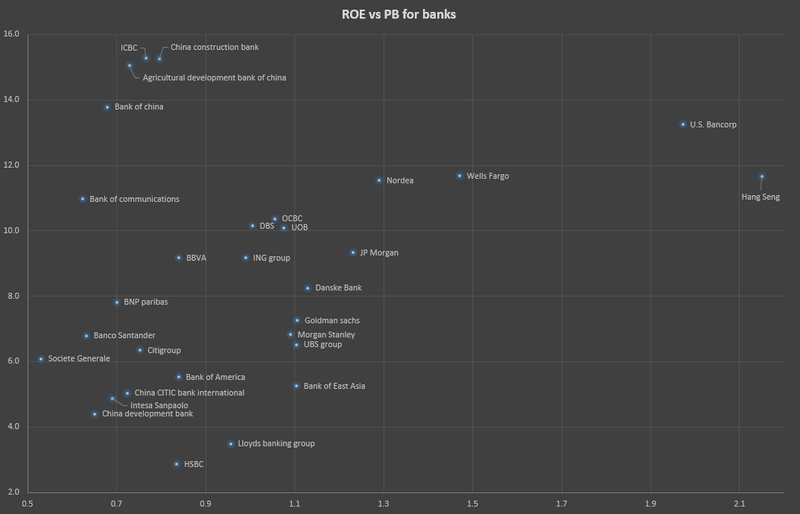
Just out of curiosity, I did a study on the ROE vs PB ratio for the different banks across the region. I fully understand that it's not a good apples to apples comparison because different banks have different regulations and capital requirements, and also different rules to recognise profits, bad debts and so on. But it's still good to see how the banks fare on these two metrics across the board.

All the figures are taken from the bestest platform to happen onto me this year: Investingnote. I don't just use them for the charts, but if you click on the tab 'Fundamentals', you can also get a quick and dirty ratios that are used commonly. They just don't have ROE, so I have to use a quicker and dirtier way to get my ROE by taking two ratios that they do have in the platform, namely Price to Book and Rolling PE. I just took the Rolling PE divided by the Price to book to get a rough ROE. For those companies that I can't find it from Investingnote, I used Yahoo finance to get the figures I want.

Don't trust me, I could have keyed in wrongly though.


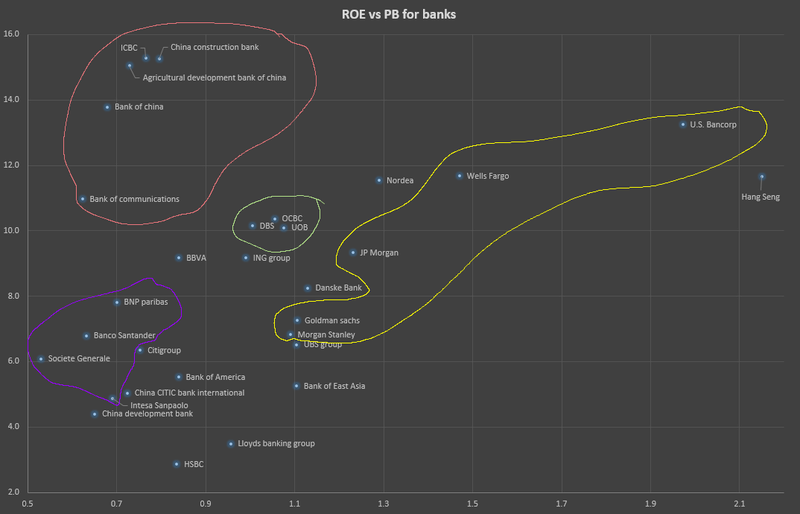
Anyway, here's the scatter plot:


First look is that you can see a few clusters. Let me roughly group them for you:


The pink ones are the HK/China banks listed in HK. They are supposedly the best since they have the highest ROE with the lowest PB. But can their book value be trusted? We need to dig deeper into the figures. The best among them is ICBC and Agricultural development bank of China. ROE of 15+% with a PB of 0.7 to 0.8 is fantastic. Too good to be true? Again, I recommend readers to dig further and not to take these figures at face value.

The green cluster is our Singaporean local banks: OCBC, DBS and UOB. All of them have very similar ROE with OCBC taking the lead. DBS is the only one that is still priced below book (PB < 1) so technically they are still undervalued in terms of that.

The yellow cluster spread over a whole range of PB ratio, and these are the US financial firms. Of these, Wells Fargo and JP Morgan seems to be the best. US Bancorp seems too overvalued, even though they have the highest ROE.

The purple clusters are the banks from the EU side. Generally they are not doing too well, since they occupied the lower left corner of the scatter plot, characterised by low ROE and also low PB. It's interesting when there are investors who only look at PB ratio and determine that a low PB is always a good thing. Take a good look at the troubled banks. Almost all of them have low PB.

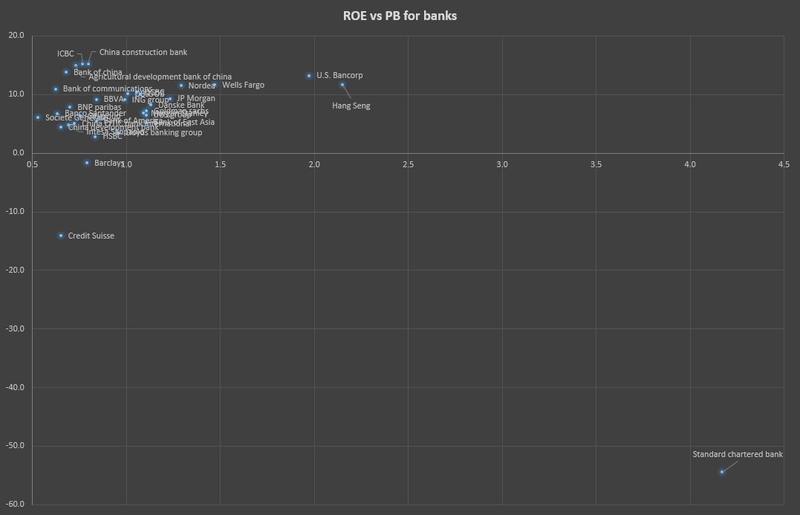
Why almost? You might also be wondering where is standard chartered bank? Here it is:


I excluded those banks with negative ROE (meaning they have negative earnings) so that we can see the scatter plot clearly. Barclays, Credit Suisse and Stanchart is right below the x-axis because they have negative earnings. The high PB ratio of Stanchart is strange. I didn't dig further but accepted the figures as it is. But those who are interested might want to do the dirty work of perusing their statements.

Seriously, I still think our local banks are worth buying, even after this recent run up. At the peak, they can reach a PB of 1.9 to 2.0. We're now around PB of 1.0 for the 3 local banks, so you can do your own calculations. Even at 1.5, there's still a lot of room.

STI 4000? Hahaha!

Tuesday, November 15, 2016

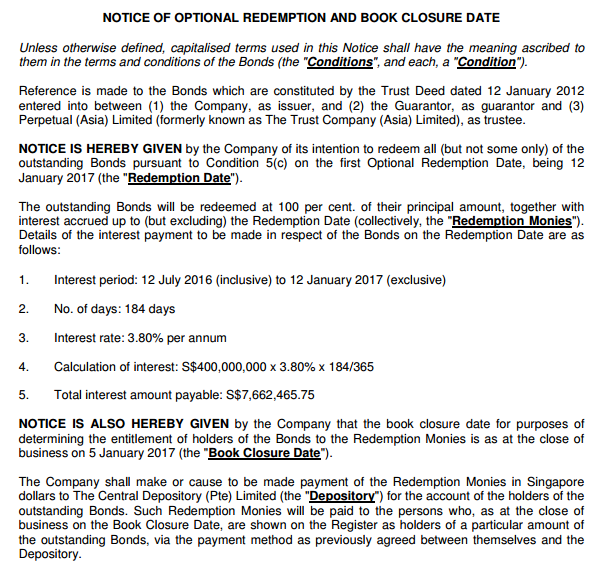
Capitamalls asia bonds optional redemption

Another bond bites the dust.

Don't worry, this is not from the troubled oil and gas sector. It's the optional redemption of Capitamalls asia bonds, CapMallA3.8%b220112 announced from sgx here. I blogged about the bonds here and here.

The full maturity of the bond is actually on 12-Jan-2022 but there is an option for early redemption on 12-Jan-2017 and every year thereafter. Since there is a step up option for the bond  if it is not redeemed on 12-Jan-2017 to 4.5% instead of 3.8%, I guess there's every reason for them to redeem it back in full. The 3 months SIBOR now is 0.87%, about doubled since Jan 2015. I guess I was wrong to think they wouldn't redeem it. There's still another bond out there with 3.08% by Capital Mall Trust (not the same, but yeah) with no step up option and with maturity date in 2020.


How would this affect me?

It wouldn't affect my portfolio because I don't have any more of this bond. But it'll affect my parent's retirement portfolio, to the tune of $26k. Guess what, I'm going to take the redeemed amount and return it back to them. The last time OCBC pref shares redeemed back, I took the money and reinvested back into FCL bonds, but I'm not going to do so now. It would seem that in the very near future, it might be better to put the money in the safety and guarantee of a fixed deposit in the banks, rather than to take that extra bit of interest and risk the price volatility of the bond. Especially if I'm the one guaranteeing their capital.

Nope, going to return them the money. No more reinvestment of the money into bonds for them.

Early Retirement Grid

I chanced upon an excellent blog that talks about FIRE (Financial independence Retire early) in 4 pillars. I will take some time to explore the site but I'm liking it already! It's here, called Four Pillar Freedom.

There's a post called early retirement grid with the following picture below

Picture taken from fourpillarfreedom blog post here

Basically it shows you how long you take to reach financial independence given your after tax annual income and annual spending. There's a few assumptions that comes with the table:


1) You're starting from nothing. It's good for those who had just been through the financial bombs of marriage and housing and renovation, because that's essentially what it is. After going through those 3 bombs, I have to start from scratch again and save up.

2) This is using a draw-down method of 4% of the portfolio annually. So you'll end up with almost nothing to pass on to the next generation.

3) It assumes you're investing the savings at 5% pa, and you no longer need to have any capital expenses in the near or distant future.


It might not be possible to hit all the assumptions. In fact, ignore that and let's see this philosophically. Firstly, you should be in the green zone. If you're in the red zone, that's quite dangerous because you're going to take a pretty long time of above 50 yrs to reach financial independence. Meaning you're going to work till you die. If you're in the yellow zone, you're too near the danger zone, and minimally you're going to need at least 25 yrs before reach your retirement. If you're in the green zone, you need less than about 14 yrs to reach your retirement.


Let's be truthful about this. It's good to have that option of being able to retire early upon reaching financial independence. You might not want it but it's still good to have that option. That's because when you're older, the choice might not be yours to take regarding your employment status. Someone will decide whether you can work for them, and when you still have bills to pay, that's going to be highly stressful. So, look up your annual after tax income and look up your annual spending and see what number you're at.


You probably know your after tax income, but you might not know your annual spending, especially if you've not been tracking diligently. It's alright, at least you know that now you have to have some semblance of tracking your spending. If you don't like to track every expenses down to the cents using some technology, that's fine. You can see how much you have from a dedicated spending account at the start of the month, and see how much there is at the end of it. It'll work fine. Either way, you need to know both your annual income and your annual spending.


From there, you know your FI number. The lower the number, the lesser the number of years that you still have to work, and the better it'll be. Did you notice that as you go down the column, your FI numbers drop too? Going to the right will also drop your FI number. Going down the column means you cut $5k off your annual spending, and going to the right means you increase your annual income by 5k. You'll notice for almost all the boxes, going down will decrease your FI number faster than going to the right. So do the easy thing first - cut down your expenses. Once you've cut down what you can, the only way to decrease your FI number is to raise your income level. I've talked about this at length in my blog posts here and here. That's why having a salary increment yet keeping your personal inflation checked in will be such a powerful force multiplier in your journey towards financial independence.


It makes you think twice about spending $5k on a Chanel bag right? That $5k you spent on the bag represents between 1 to 16 years of your life energy working before you can have early retirement! Think about it!

Monday, November 14, 2016

My 50k savings goal back then and now

I was reading back my previous post on my 50k savings challenge here, and trying to see if there's any difference between then and now. I first started back in 2009, and it had been 7 yrs since. How time flies!

Comparing the difference between 2009 and 2016:


1) Shift in focus between 2009 and 2016

I had a plan on how much to save every month back in 2009 and it was further broken down into weekly goals for savings. That created a lot of stress because I have to watch my expenses like a hawk! While I appreciate the shocking jolt that made me rewire my thoughts and actions to align myself to this goal, I think I would not have done the same way again. This year, I just saved what I could after my expenses, and didn't really keep a tab on how things are going. The idea is that I've already streamlined my behavior after so many years, so things are almost on auto pilot mode now. I know if I hit a certain income level, I will have hit a certain savings level at the end of the year. And because of that certainty, my focus is not on cutting expenses, but more on getting that critical mass of students so that I can hit an income level that will guarantee my savings goal. There's only so much to cut in my expenses, but my income can be unlimited. Well, more or less.

Summary: Shifted focus from cutting expenses to increasing income


2) You can get used to shit

I was complaining back then about working 10 hours in a day and having lessons at 7am and ending at 1130pm latest. It was quite entertaining reading about such things because it must have been quite a shock to me back then to work so hard. Back then, I also have my Sunday off, so it wasn't as bad. Compared to 2016, I think the work load in 2009 is considered a breeze! This year I had 14 hours workday, starting at 7am and ending at 11pm with 1 hr break in total for lunch and dinner. 9 hours on a weekday is quite normal and during peak seasons, 12 hours workday is the norm. I was quite stressed up over work back in 2009 and was generally feeling burnt out and unhappy. But this year in 2016, I was just laughing and enjoying my work (mostly), even though I was working a lot harder and longer. Like a hedonistic treadmill but in reverse, you can get used to shit, and when you do, it's no longer shitty.

Summary: I can take shit and enjoy it too. It's just takes a reframing of the shitty situation.


3) Impossibility made possible

Back then, I don't think I can save 50k. It takes a few years of doing it and stressing over it before my mindset is changed. I think it took about 3-4 yrs before my internal dialogue changed from "I think it's crazy" to "I might be able to do it" to "I think I can do it" to "I did it again". I can't stress how important it is to be able to leap from the impossible to the possible, because it gives a shot of confidence in my ability to go through the entire process of goal setting, planning, execution and review. I could never imagine that now, saving 50k is a norm and not a challenge anymore. That's just crazy.

Summary: Plan something crazy and go do it. The growth to achieve that crazy thing you're aiming for will be the catalyst for many other crazy things you could possibly aim for. If you don't challenge yourself and expand your limits, you'll NEVER grow.